October 18, 2026


Quick answer
Pick Aggregate Markets when the job calls for a named stone or soil product in a few loads at a price you can see before checkout. Pick Soil Connect when a site needs thousands of yards of fill brought in or hauled out, because its Dirt Specialists match you with the closest site that has or needs the dirt and arrange the trucks.
The two services cover different halves of the bulk material problem.
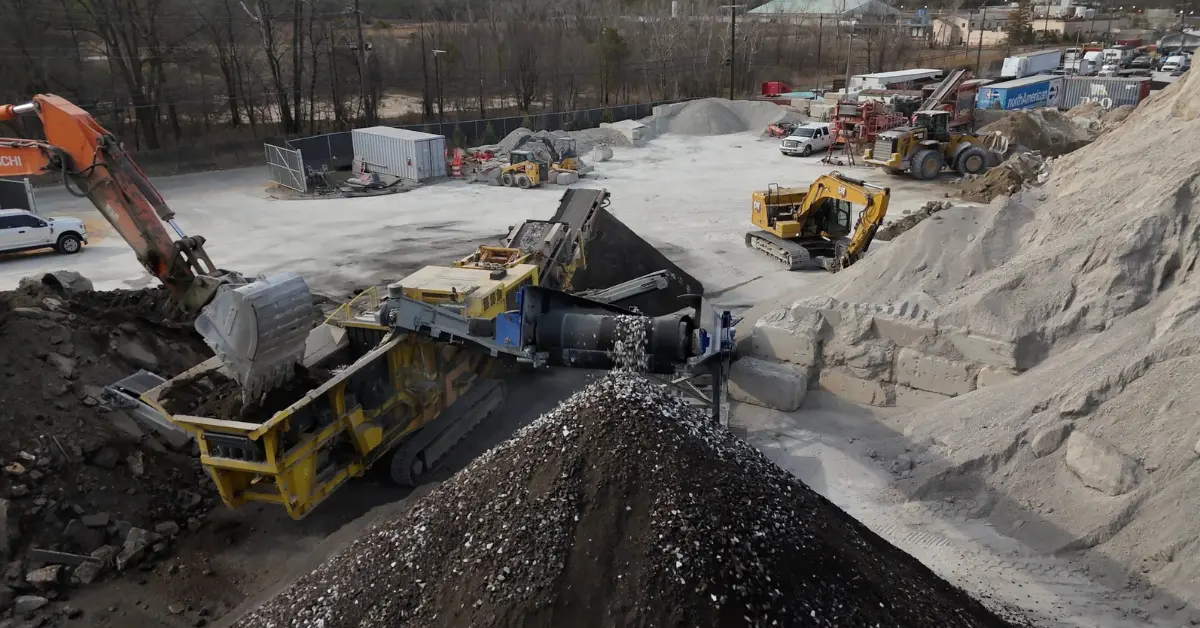
Aggregate Markets sells produced bulk aggregates from quarries, pits and yards at a posted price. Soil Connect moves dirt from the sites that have too much to the sites that need it.
Contractors who need to buy fill dirt in volume fill out the Find Dirt form, and a Soil Connect Dirt Specialist contacts them within 1 business day. The team searches dirt for sale on the marketplace, can reach dirt options that are not on the platform, and looks for the closest source that meets the project specification.
The network runs both ways. A site with excess cut lists it and the material goes to a closer location. Soil Connect reports 182 million+ yards matched, 1,400+ partnered haulers and 12,000+ contractors on its marketplace.
Aggregate Markets is a self-serve storefront for bulk material delivery. A buyer enters a full delivery address, picks a material and quantity, and clicks Get Delivery Price to see options, prices and dates before paying at checkout. The site says it operates across 48 states, and what a buyer sees depends on that exact address.
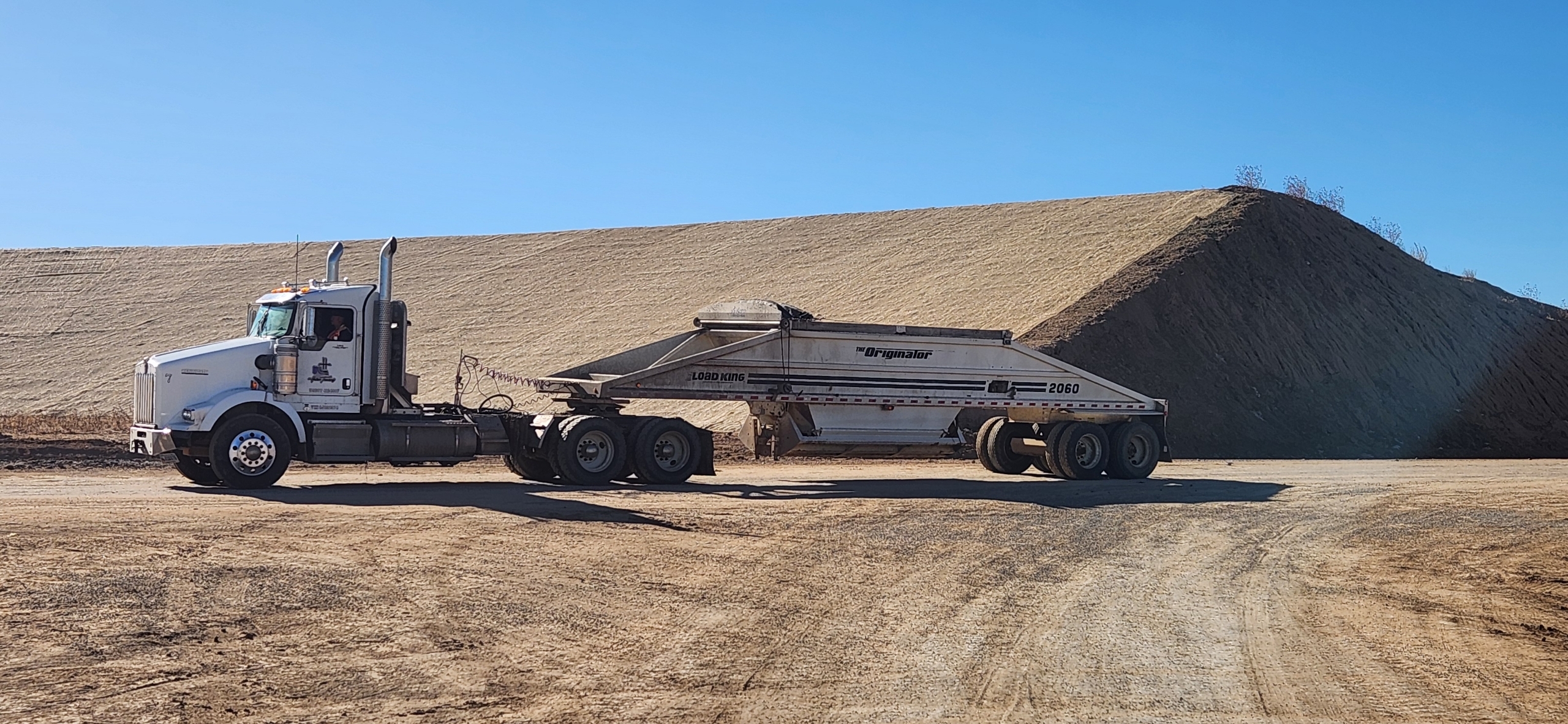
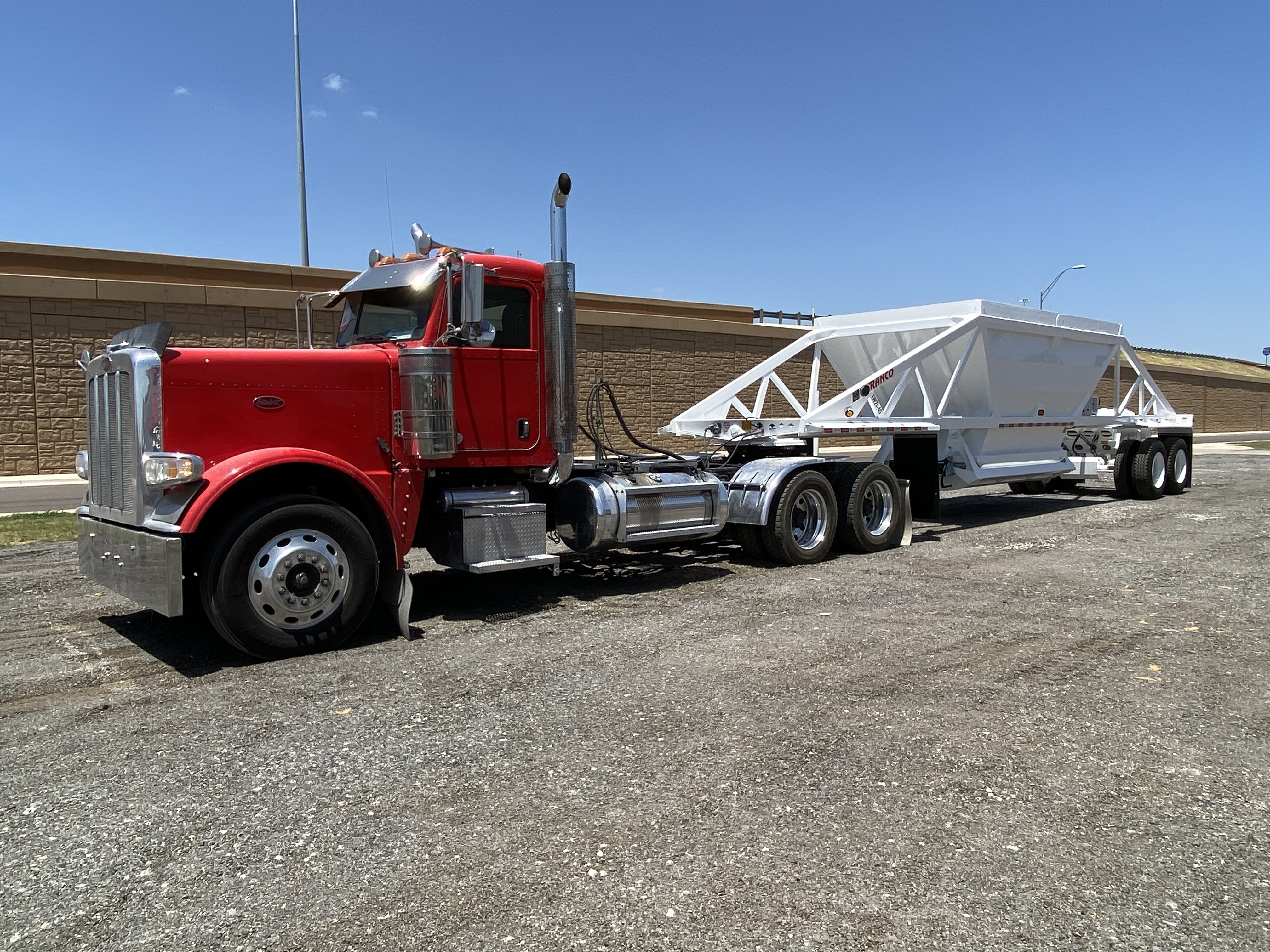
The catalog spans limestone, crushed stone, sand, pea gravel, riprap, slag, mulch, soils and compost, plus recycled concrete and asphalt in select locations. Quarries and pits list their own products and set price, availability and load rules. Every order is delivery only, usually by dump truck.
Table: How the two compare on a typical order
| | Soil Connect | Aggregate Markets |
| Best fit | Earthwork volume | Quarry products |
| Excess dirt haul-off | Yes | Not described |
| Price list | Not published | Listed per ton |
| Spec check | Dirt Pros review | Buyer's choice |
| Coverage | Nearest matched sites | 48 states, by address |
Price, order size and timing split cleanly by material.
Produced stone has a shelf price and a fast truck. Native dirt has no shelf price, and haul distance drives much of what a contractor pays for it.
Gravel prices on its products page carry a per-ton starting figure. As listed on October 23, 2026, crusher run started from $10.80 a ton and dense grade aggregate from $21.60 a ton before a delivery address is set. The local price and delivery charge appear once the job address is entered. An estimator pricing a driveway base can see the delivered total before checkout.
No public price list exists. The Get Rid of Dirt page cites fair market pricing and customer savings of 28% to 42% on their dirt. Our breakdown of quarry vs. marketplace value runs the math.
Where a minimum applies, it usually starts at one ton or one cubic yard, and many loads carry about 10 to 25 tons. A landscaper can order a single load of bulk gravel for a patio base without a phone call. Large or recurring orders go to its team, and back-to-back loads depend on quarry loading times and truck availability.
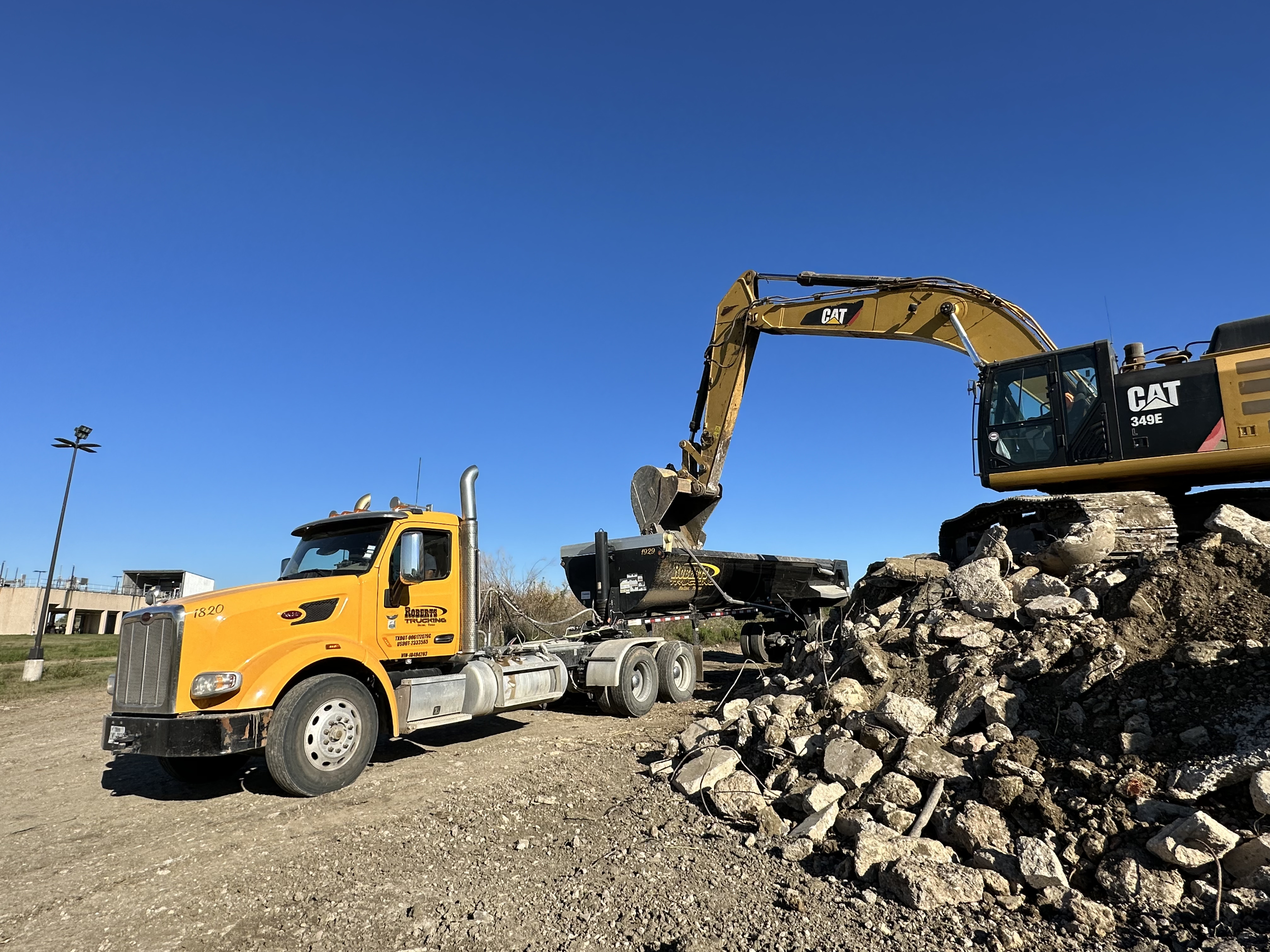
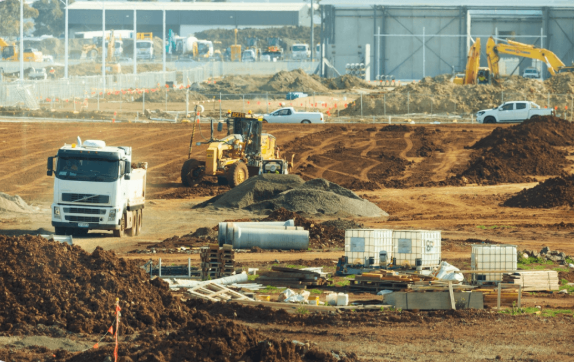
Earthwork rarely moves one load at a time. Picture a pad that needs 15,000 cubic yards of import while a project across town exports the same soil type. Dirt for sale from that nearby excavation can beat quarry material on delivered cost when the spec allows native soil, because a shorter haul cuts trucking cost, and Soil Connect's matching looks for the closest site that has or needs the material. A dispatcher on that job thinks in truck cycles per hour before price per ton. Before a large buy, read our notes on negotiating bulk soil purchases.
Most orders arrive within one to two business days after payment, inside a chosen window with about an hour of variance either way. That speed comes with commitment. Canceling before dispatch costs a 7% handling fee, an order is non-refundable once the truck leaves the yard, and any cancel or reschedule needs at least one business day of notice.
On a cut-and-fill job the bigger risk is volume. Dirt Reports data shows a 24% to 30% gap between estimated and actual dirt moved. Digital tickets log every load.
Match the source to the job. Landscape materials delivery and named stone products fit a priced storefront, while large imports and exports fit a matched network of job sites.
Use a quarry source. A search for quarry near me or crushed stone near me turns up the pits, and Aggregate Markets puts local suppliers behind one checkout with a price per ton. The gradation comes from the producer, but product names vary by region, so confirm any DOT or project spec before ordering.
Aggregate Markets fits. Topsoil delivery for a yard regrade, mulch for beds and pea gravel for a path all sit in its catalog, and it sells to homeowners and landscapers directly. Plan truck access first, since the driver makes the final call on the dump spot and the buyer carries liability past the curb line.
Start with Soil Connect. A Dirt Specialist looks for nearby sites with matching material, and Dirt Pros check that it meets the project specification, which on structural fill usually means a compaction target tied to ASTM D698 or D1557. Compare that delivered cost with what aggregate suppliers near me quote before you lock the bid.
Only one of the two handles this. The Aggregate Markets pages describe delivery into a site, not haul-off. Soil Connect's Get Rid of Dirt listings place surplus soil with sites that need it, hauled to a closer location.
Many do. A commercial pad might import select fill through a site match, then order #57 stone and dense grade base from a quarry for the drainage and paving layers. Using each source for its half keeps hauls short and the spec clean.
Frequently asked questions
Yes, in many markets. Its FAQ lists fill dirt and similar materials for grading, low areas and building pads, with availability set by the delivery address. For a large fill import matched to a geotech spec, or a job that also has dirt to export, a site-to-site source like Soil Connect is built for that work.
It depends on haul distance and tonnage. A marketplace such as Aggregate Markets shows a starting price per ton and a delivery quote for your address, which makes a quick comparison easy. A quarry called direct can come out ahead on large tonnage hauled by your own trucks, especially when the pit sits close to the job and your fleet would otherwise sit idle.
For native fill rather than gravel, a nearby job site export often beats both.
Yes. Contractors list surplus soil through Get Rid of Dirt, and Soil Connect matches it with sites that need it and arranges hauling to a closer location. The company reports customers saving 28% to 42% on their dirt, and its digital load records give the superintendent an accurate count of every truck that left the site.
For a homeowner or landscaper ordering a few loads, a storefront like Aggregate Markets is the simpler path: enter the address, pick topsoil and schedule the truck. Local garden supply yards do the same by phone.
Soil Connect is built for contractors moving volume, so a one-load residential order is better served by a yard or a storefront.
Keep reading
Tell a Dirt Specialist what you need and where, and hear back within 1 business day.