.svg)


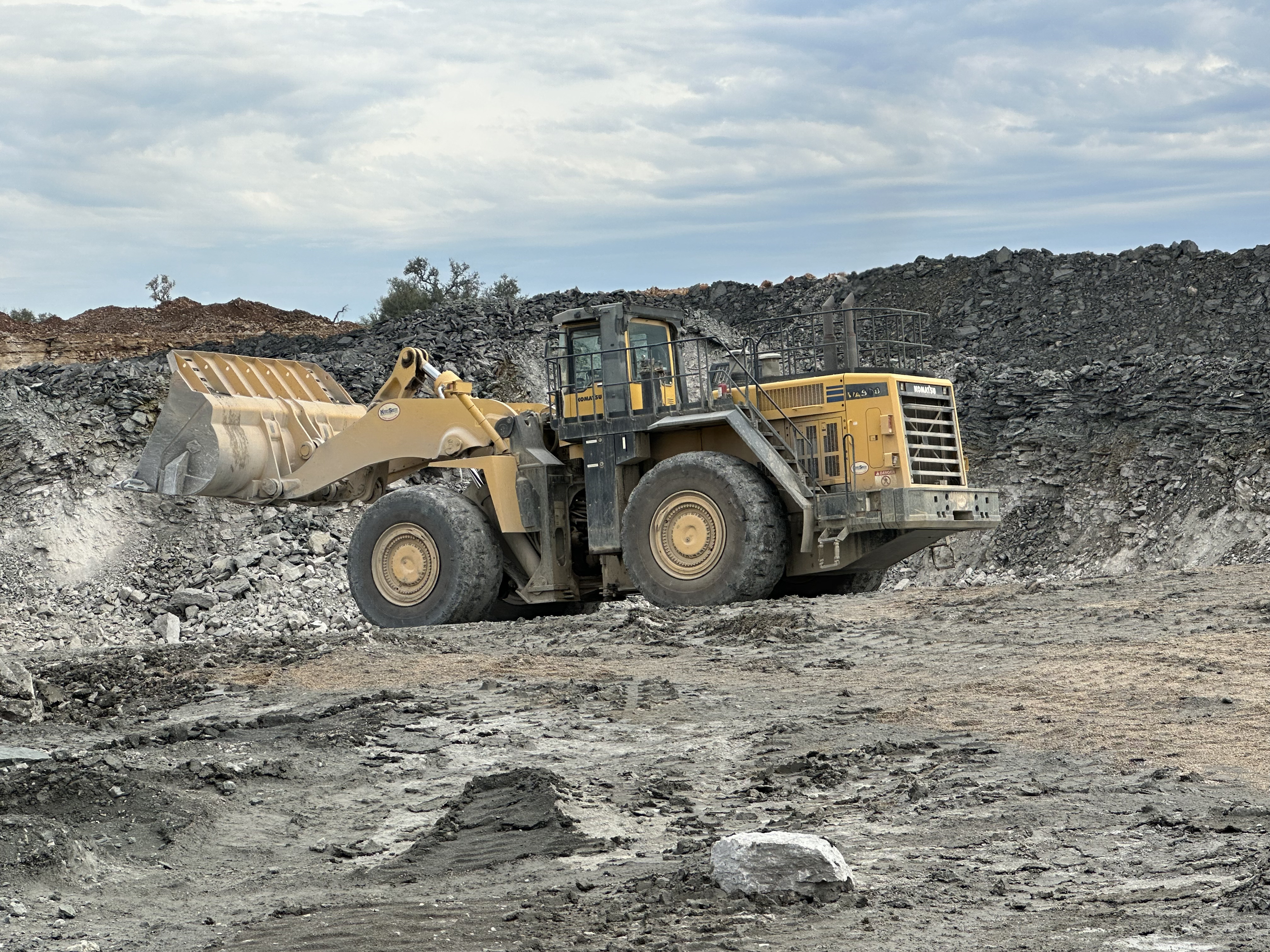
Dirt pricing isn’t static. It shifts throughout the year, influenced by weather patterns, construction cycles, and regional demand. Contractors who understand these seasonal swings are better positioned to control costs, avoid delays, and plan projects more efficiently.
Ignoring seasonality often means paying premium prices, dealing with limited availability, or scrambling for hauling capacity at the worst possible time. Understanding how and why dirt costs fluctuate can make a measurable difference to your bottom line.
How Weather Drives Pricing Changes
Weather is one of the biggest variables affecting dirt costs. Rain, snow, and extreme temperatures all impact how material is excavated, hauled, and placed.
Wet conditions increase material weight, limit access to jobsites, and slow hauling cycles. Frozen ground can delay excavation entirely. These factors reduce supply while increasing hauling complexity — a combination that drives prices upward.
In contrast, dry conditions typically allow for faster production and easier hauling, keeping costs more predictable.
Demand Peaks and Construction Cycles
Construction demand follows a seasonal rhythm. Spring and summer often bring a surge in activity as projects ramp up. More jobs competing for the same materials and haulers naturally pushes prices higher.
During slower periods, such as late fall or winter in many regions, demand drops. Contractors who plan ahead may find more favorable pricing and availability during these windows.
Understanding when demand peaks helps contractors avoid last-minute sourcing decisions that come at a premium.
Hauling Capacity Becomes a Bottleneck
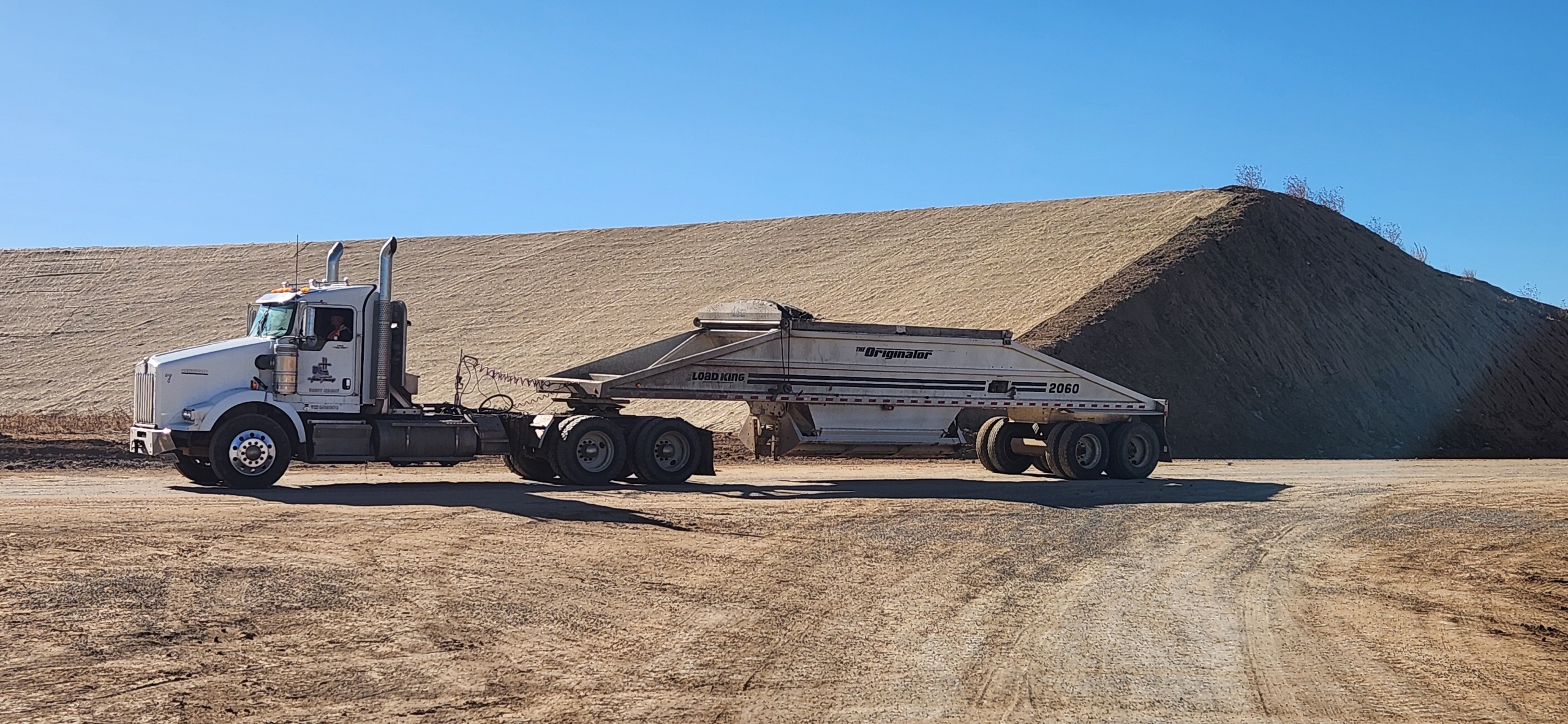
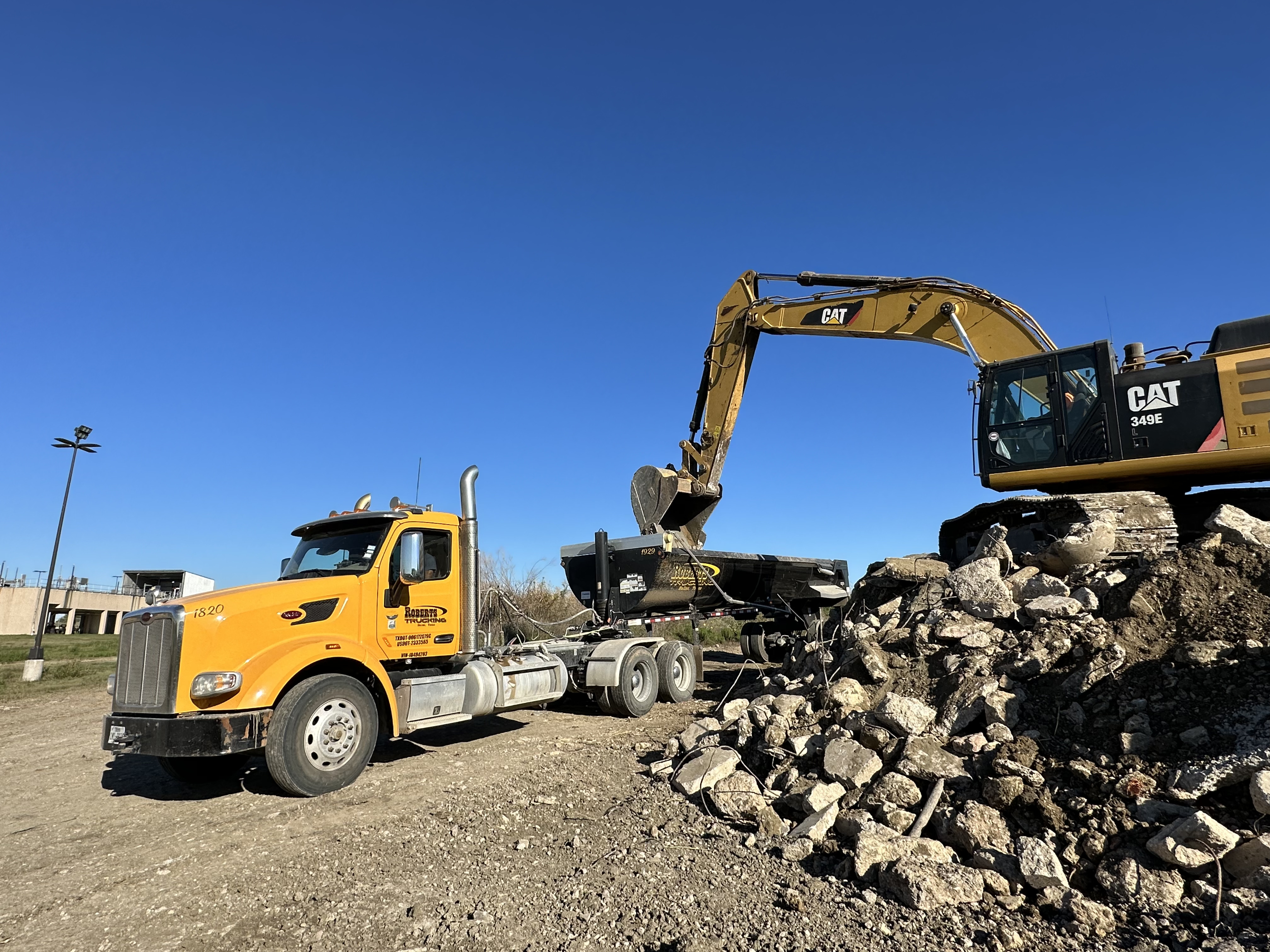
Seasonal demand doesn’t just affect material prices — it strains hauling networks. During peak construction months, trucks are booked quickly, and idle time becomes expensive.
Longer haul distances, increased fuel consumption, and limited driver availability all factor into seasonal cost increases. When hauling capacity tightens, even readily available dirt can become costly to move.
Why Local Matching Matters More Seasonally
Seasonal volatility makes local sourcing more valuable than ever. Shorter haul distances reduce exposure to fuel price swings, weather delays, and capacity shortages.
Digital marketplaces help contractors identify nearby surplus and demand in real time, allowing projects to stay flexible even when conditions change. Local matching keeps material moving efficiently, regardless of season.
Planning Ahead with Better Data
Seasonal cost swings are predictable — surprises come from poor visibility. Contractors who use digital tools to monitor pricing, availability, and demand trends are better equipped to schedule work and lock in resources early.
Instead of reacting to seasonal pressures, data-driven planning allows contractors to stay ahead of them.
The Bottom Line
Seasonal dirt costs are unavoidable, but uncontrolled costs aren’t. Weather, demand, and hauling capacity will always influence pricing — but contractors who plan ahead, source locally, and leverage digital marketplaces can protect margins year-round.
Understanding seasonality isn’t just smart planning — it’s a competitive advantage.














.jpg)