.svg)


Fill pricing looks simple on the surface. A dollar-per-yard number. A hauling rate. A disposal fee. But projects routinely run over budget because the true cost of fill is misunderstood or oversimplified during planning and bidding.
What contractors often get wrong isn’t just the price — it’s what the price actually includes.
Mistake #1: Treating Fill as a Commodity
Not all fill is created equal. Clean fill, structural fill, select fill, and engineered materials all carry different sourcing, testing, and handling requirements. Pricing that looks competitive may reflect material that doesn’t meet project specs, triggering rejections, delays, or costly replacements.
A low number only works if the material passes inspection the first time.
Mistake #2: Ignoring Haul Distance
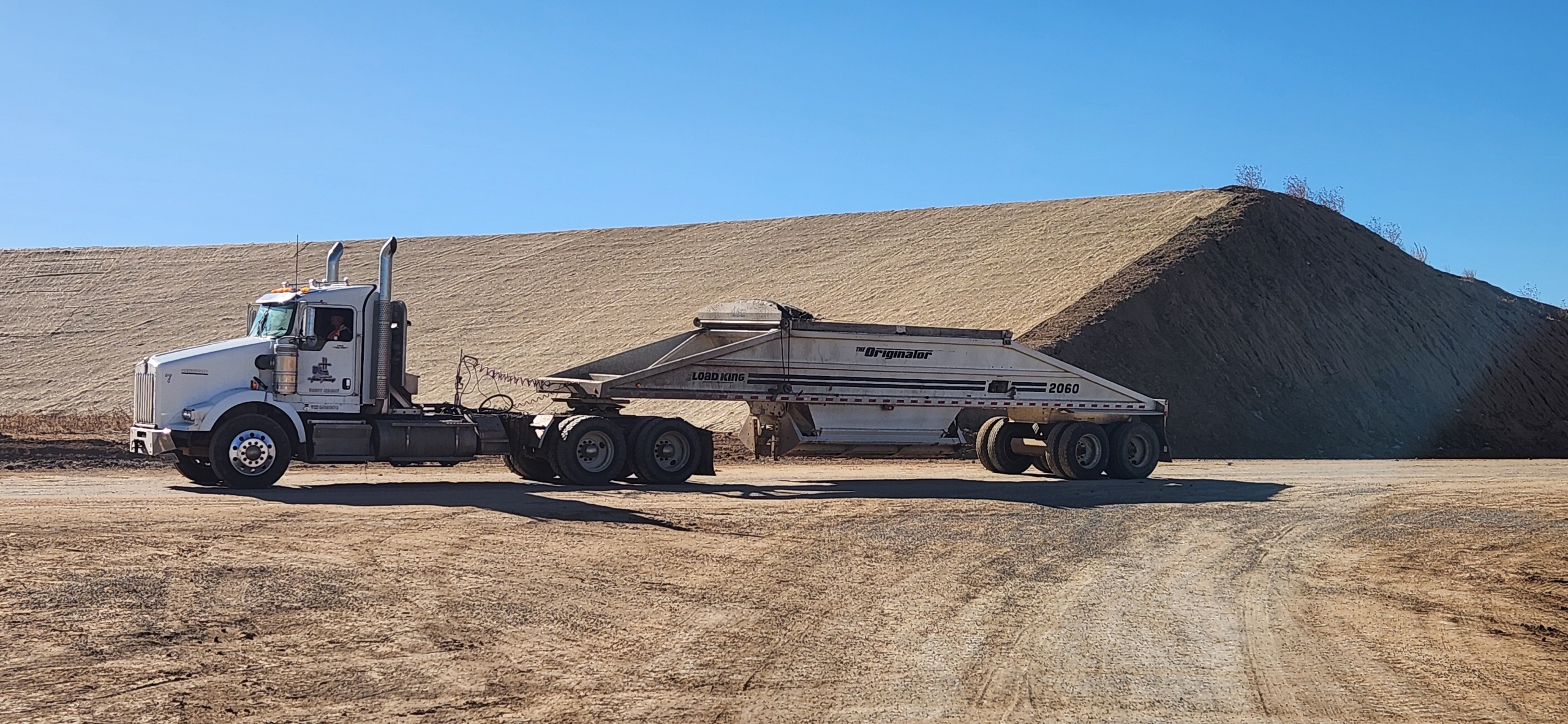
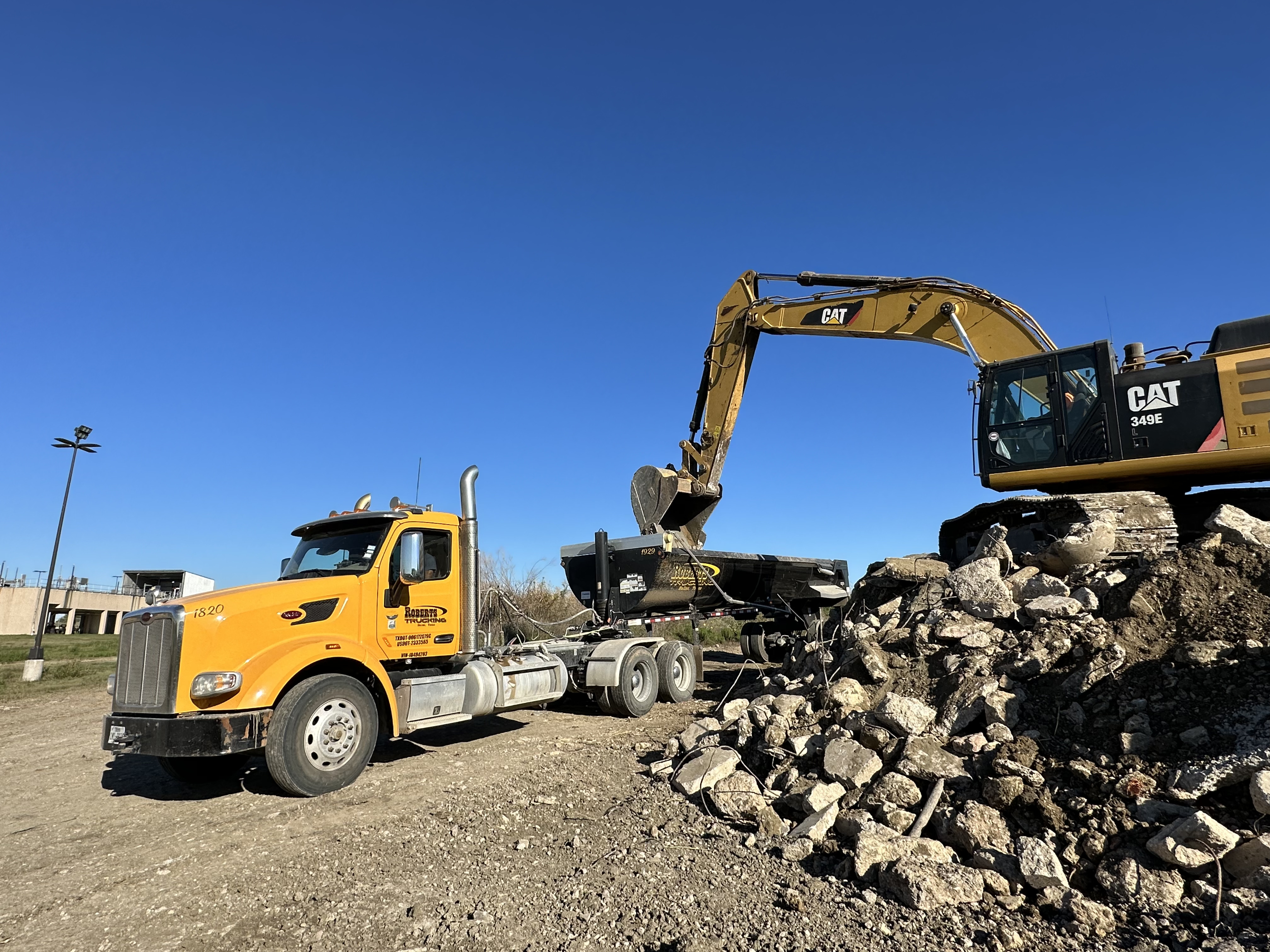
Material cost and hauling cost are inseparable. The farther fill travels, the more fuel, labor, equipment wear, and time it consumes. Long hauls reduce turns per day, introduce scheduling risk, and inflate costs in ways that don’t always appear clearly on a bid.
Local material often delivers better margins, even when the per-yard price is higher.
Mistake #3: Overlooking Availability and Timing
Pricing is not static. Seasonal demand, weather conditions, and nearby project volume all affect supply. A price that looks solid during estimating can disappear once multiple jobs compete for the same material source.
Projects that rely on a single distant supplier are especially vulnerable to price volatility and delays.
Mistake #4: Separating Dirt Costs from Schedule Risk
Every delay tied to material sourcing has downstream effects — crews standing by, equipment idle, schedules compressed later in the project. Fill pricing should be evaluated not just by cost, but by reliability.
Consistent access to nearby material reduces uncertainty and protects timelines.
Mistake #5: Missing the Value of Market Visibility
Traditional sourcing often happens through phone calls, favors, or limited supplier lists. Without visibility into nearby supply and demand, contractors miss opportunities to reduce haul distance, stabilize pricing, and adapt when conditions change.
Transparent marketplaces shift fill pricing from guesswork to strategy.
The Bottom Line
Fill pricing isn’t just about dirt — it’s about distance, timing, material quality, and risk. Contractors who understand the full equation make better sourcing decisions, protect margins, and keep projects moving.













.jpg)