.svg)


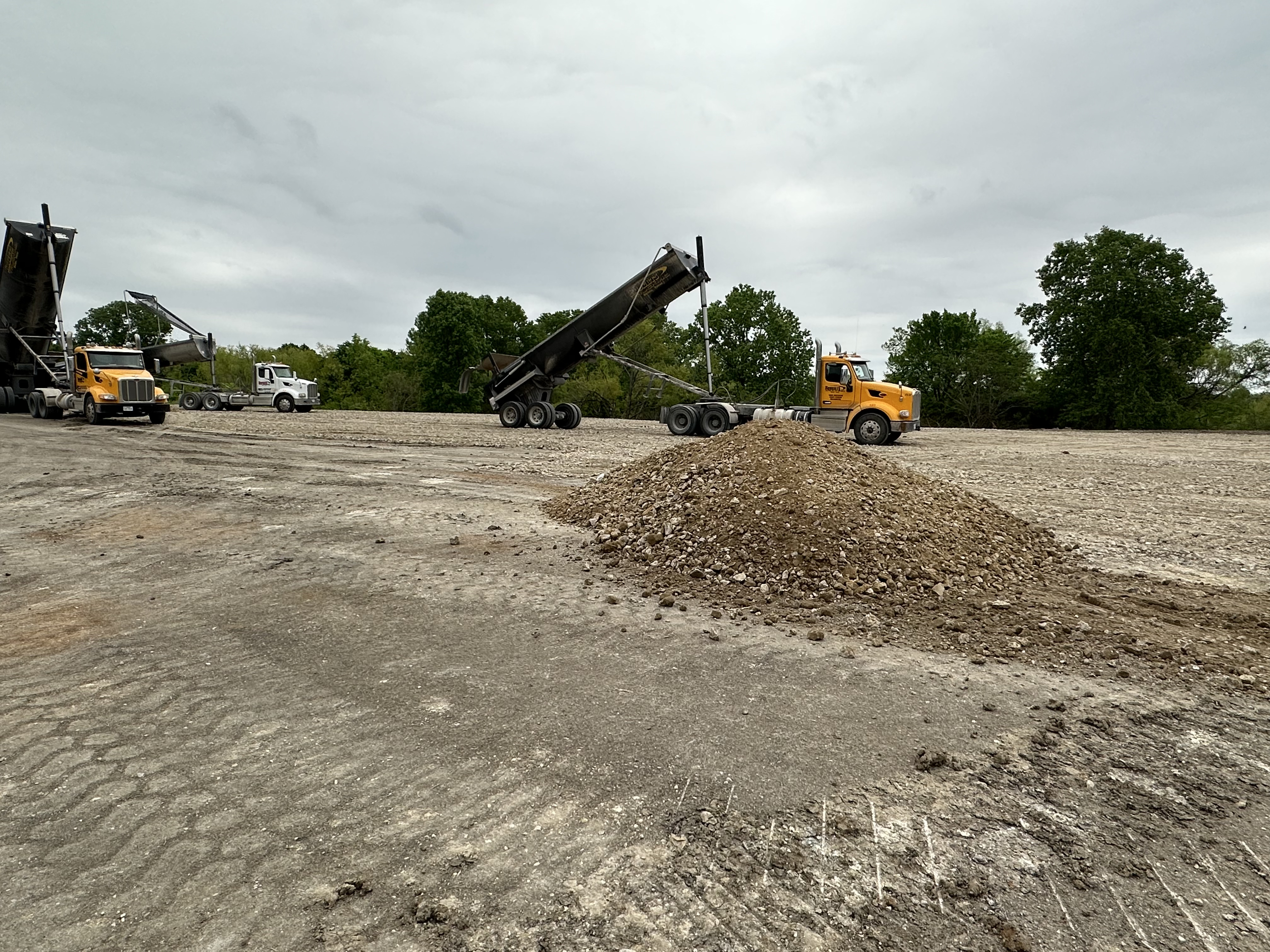
Ordering fill seems straightforward—until it isn’t. Too wet, too coarse, wrong gradation, unexpected rejections, failed inspections. Material specs play a much bigger role in project cost, schedule, and risk than many teams realize.
Understanding what you’re ordering before trucks arrive can be the difference between a smooth job and costly rework.
Why Material Specs Aren’t Just “Paperwork”
Material specifications define how fill performs once it’s placed. Density, moisture content, grain size, and contamination levels all affect compaction, drainage, and long-term stability.
When specs are misunderstood or ignored, contractors often face:
- Rejected loads and disposal costs
- Rework due to failed compaction tests
- Schedule delays while replacement material is sourced
- Unexpected hauling and standby charges
Those costs add up quickly.
Common Specs That Impact Your Bottom Line
Soil Type and Classification
Clay, sand, silt, or mixed fill all behave differently. Clay may be cheaper but harder to compact. Sand drains well but may require stabilization. Knowing the soil classification helps match material to the job’s requirements.
Moisture Content
Too wet and the soil won’t compact. Too dry and you’ll burn time watering and reworking lifts. Moisture tolerance matters, especially for structural fill.
Gradation
Well-graded material compacts better and creates a more stable base. Poorly graded fill can lead to settlement and inspection failures.
Contamination and Debris
Unexpected debris, organics, or oversized material can lead to rejected loads and additional screening or disposal costs.
Why Jobsite vs. Quarry Fill Matters
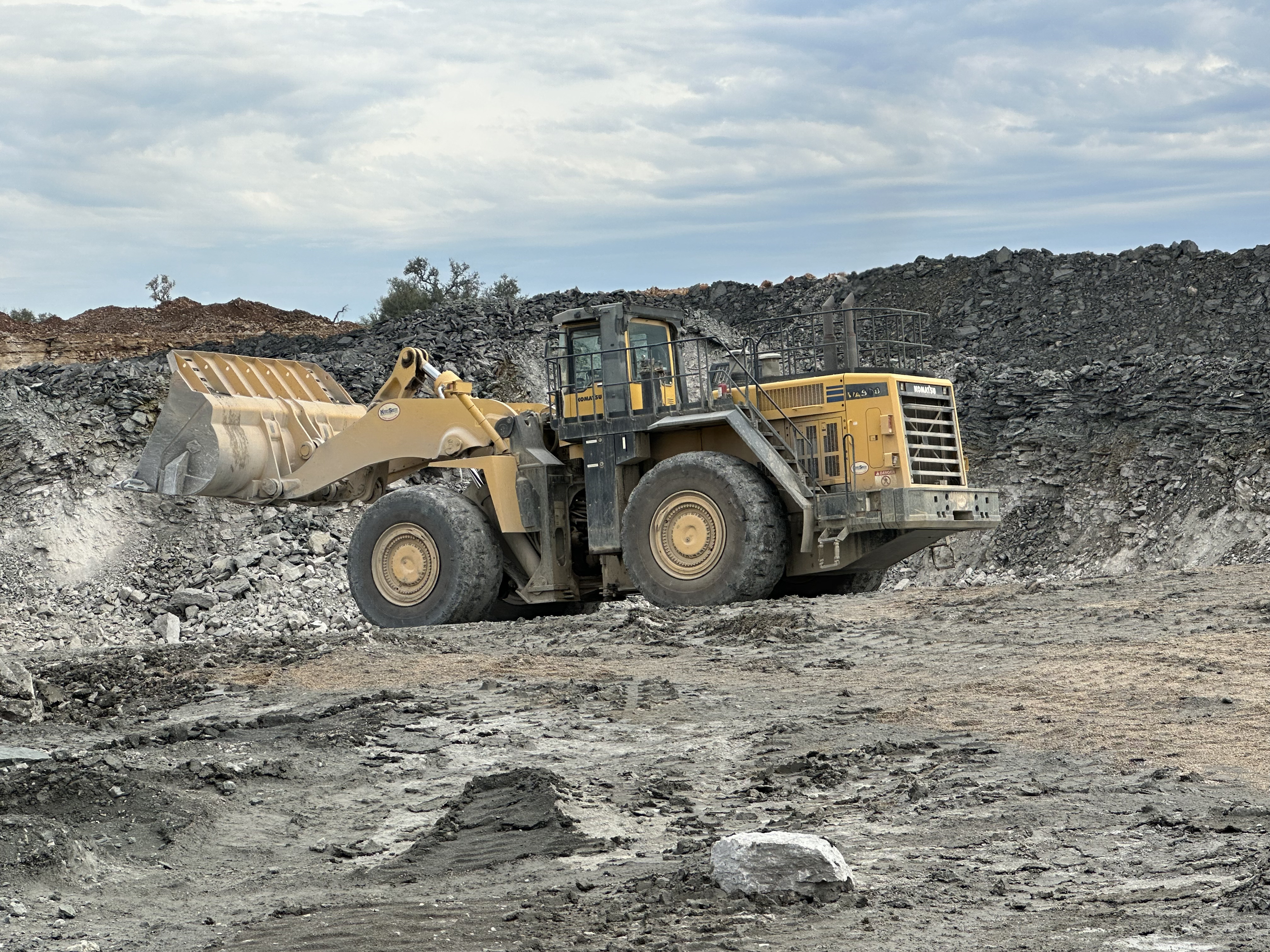
Quarry fill often comes with consistent specs and documentation, but it typically costs more due to material pricing and haul distance.
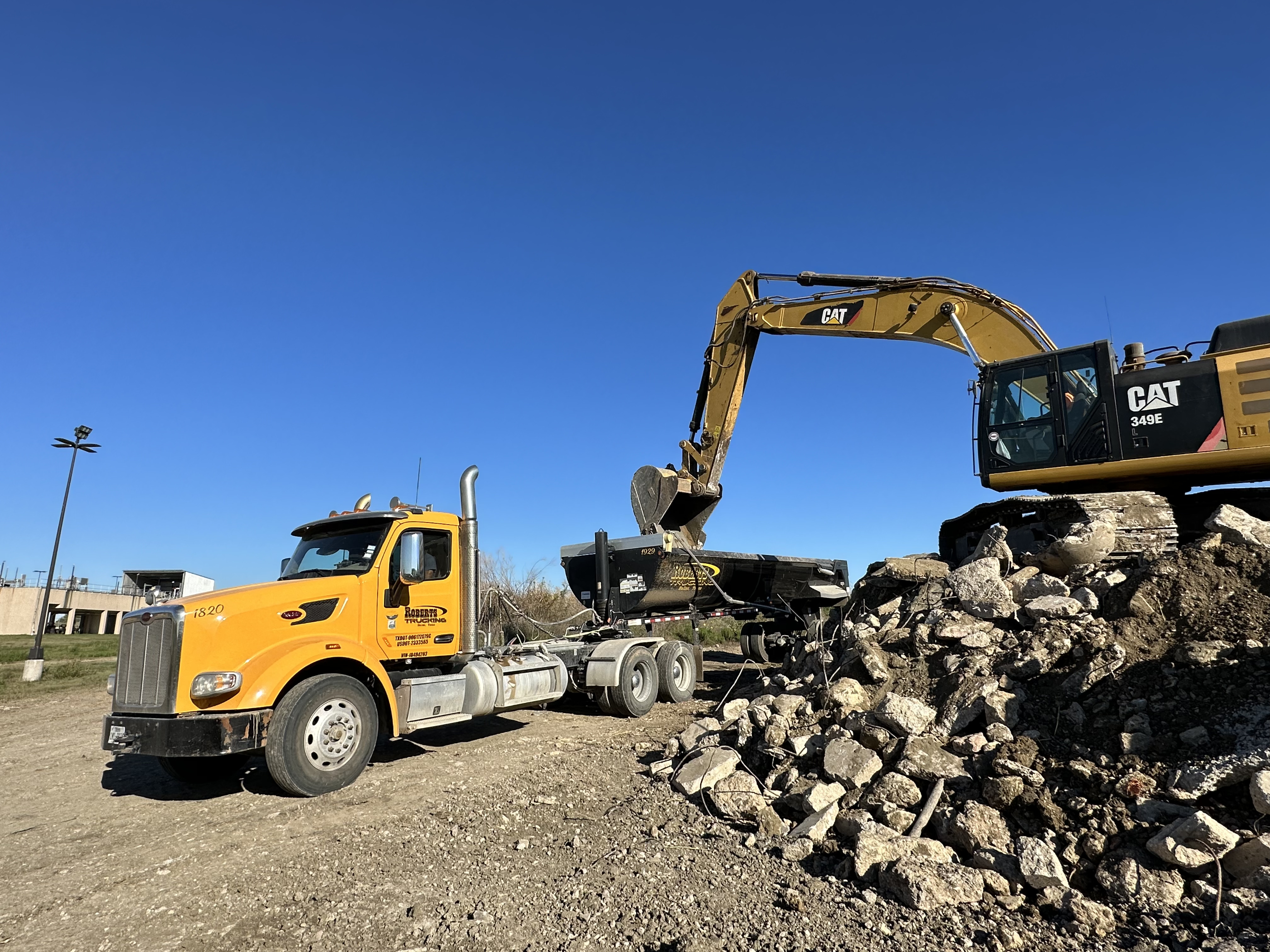
Jobsite fill can offer major savings, but only when specs are verified and matched correctly. Without transparency, contractors risk trading upfront savings for downstream problems.
This is where digital marketplaces change the game—making specs visible before material moves.
How Smarter Matching Reduces Risk
Modern platforms allow contractors to:
- Review material details before booking
- Match fill types to specific job requirements
- Reduce unnecessary hauling and rejected loads
- Keep projects compliant and on schedule
Instead of guessing, teams can make informed decisions backed by real data.
Bottom Line
Material specs aren’t a technicality—they’re a cost-control tool. Contractors who understand and verify fill specs before ordering avoid rework, reduce delays, and protect their margins.
Sourcing smarter isn’t just about price. It’s about getting the right material, at the right time, with no surprises.













.jpg)