.svg)



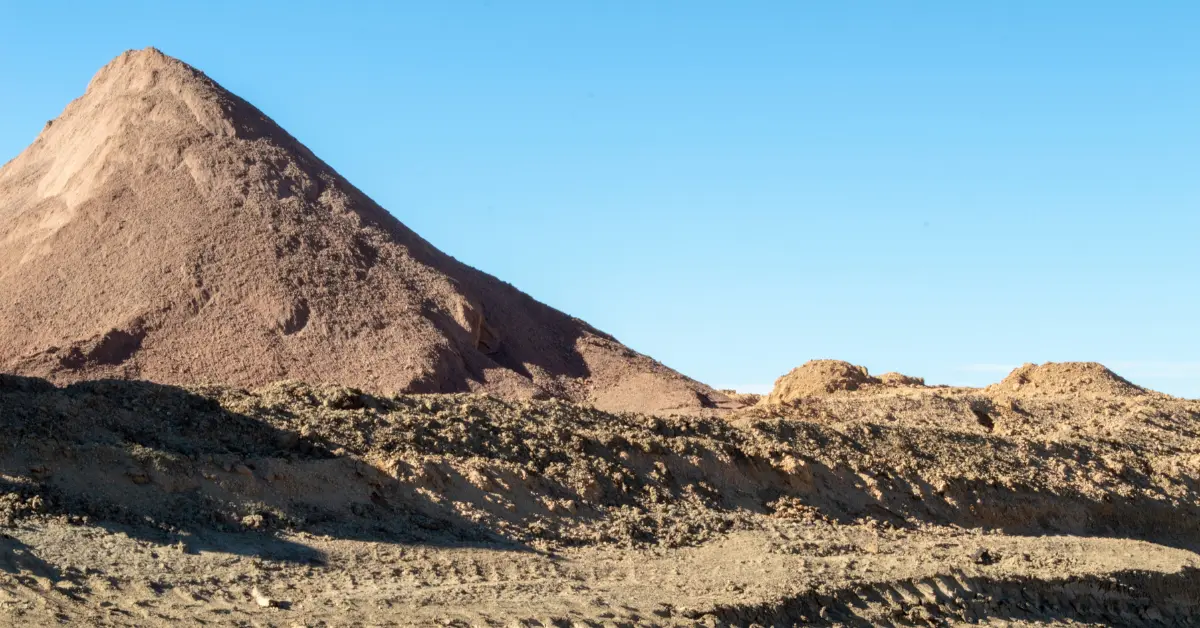
Construction sites generate massive volumes of dirt every day. Some projects pay to remove it, while others pay to bring it in — often at the same time, in the same region. For decades, these two sides of the equation rarely connected.
That disconnect has created an inefficient dirt economy built on long haul distances, inflated disposal costs, and unnecessary material purchases. Today, digital marketplaces are changing that dynamic by matching surplus and demand directly — unlocking millions in savings across the industry.
Why the Traditional Dirt Economy Is Broken
In the traditional model, excess dirt is treated as waste. Contractors pay to haul it away, often to distant disposal sites or landfills. Meanwhile, other contractors source fill from quarries miles away, paying premium prices for material that already exists nearby.
This system creates:
- Redundant hauling routes
- Higher fuel and labor costs
- Longer project timelines
- Increased environmental impact
Most importantly, it creates avoidable expenses that get passed down through every phase of a project.
The Power of Jobsite-to-Jobsite Matching
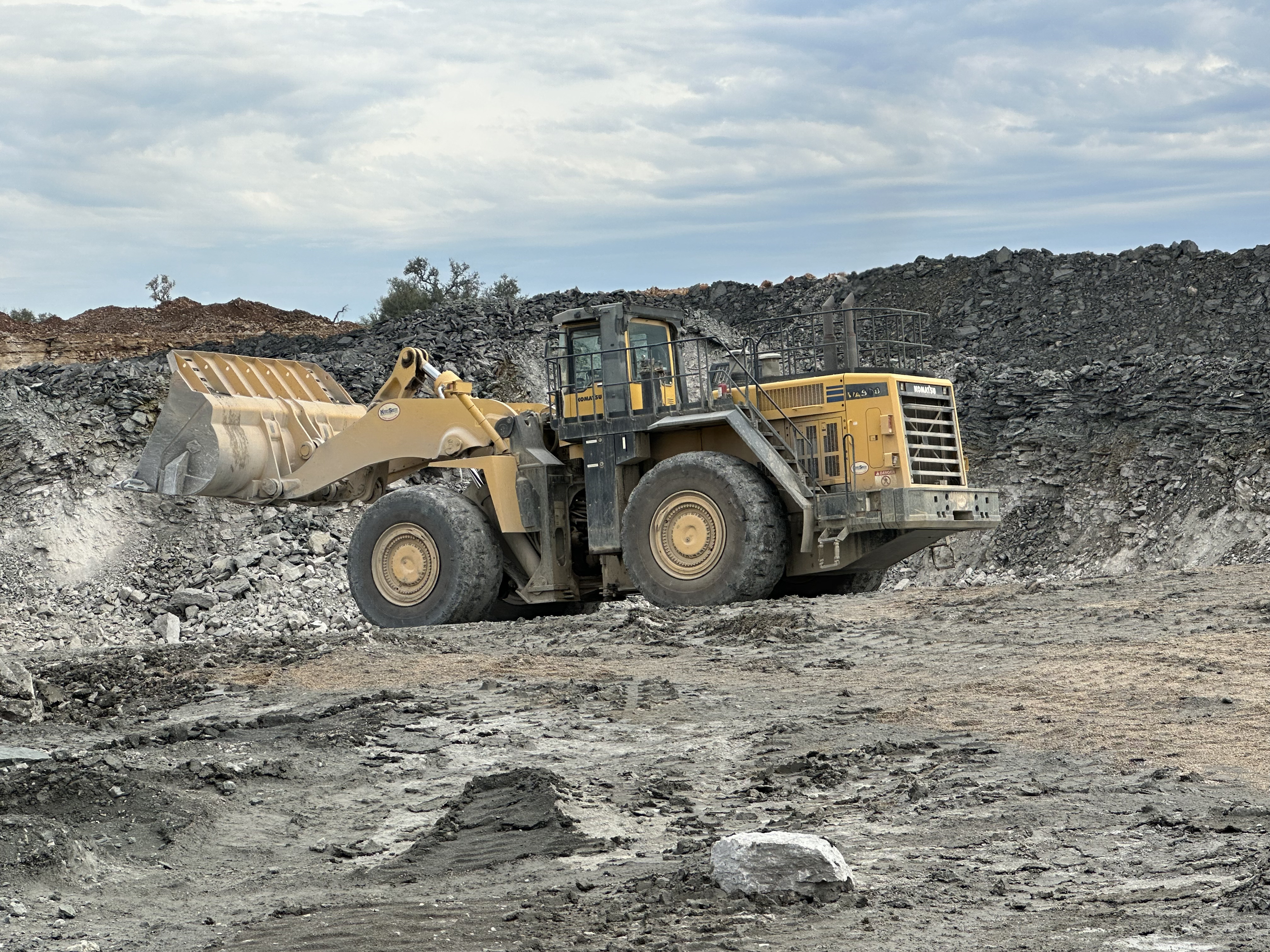
When surplus dirt from one jobsite is matched to demand at another, the economics shift immediately. Material that once represented a cost becomes a resource. Haul distances shrink. Trucks stay productive instead of idle.
Local matching reduces the need for new extraction while helping contractors avoid disposal fees and inflated material pricing. Instead of paying twice — once to remove dirt and once to buy it — projects benefit on both sides of the exchange.
How Digital Marketplaces Make It Work
Digital platforms like Soil Connect provide the visibility the industry has always lacked. Contractors can see where material is available, what type it is, and how close it is to their jobsite.
With better data and real-time connections:
- Surplus dirt finds a destination instead of a landfill
- Buyers access competitive, transparent pricing
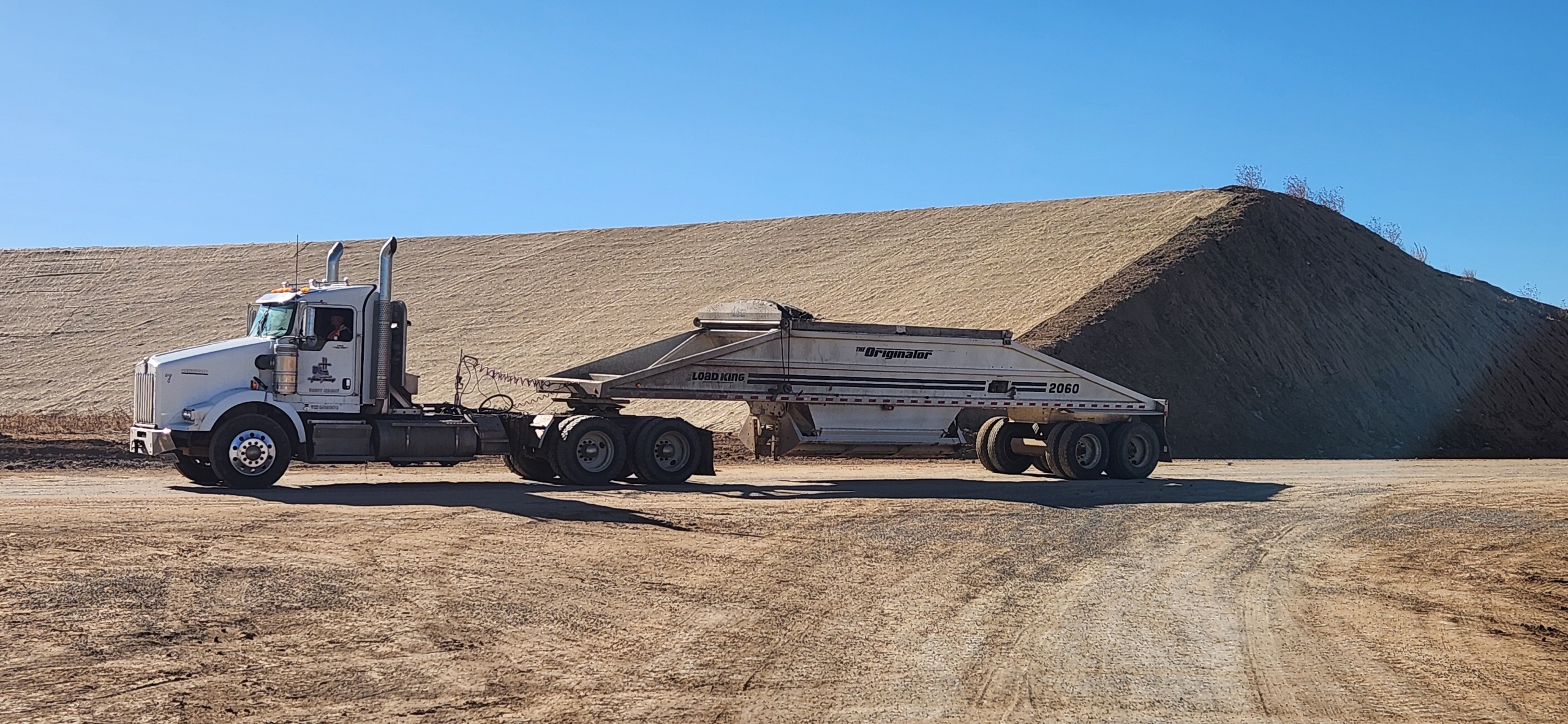
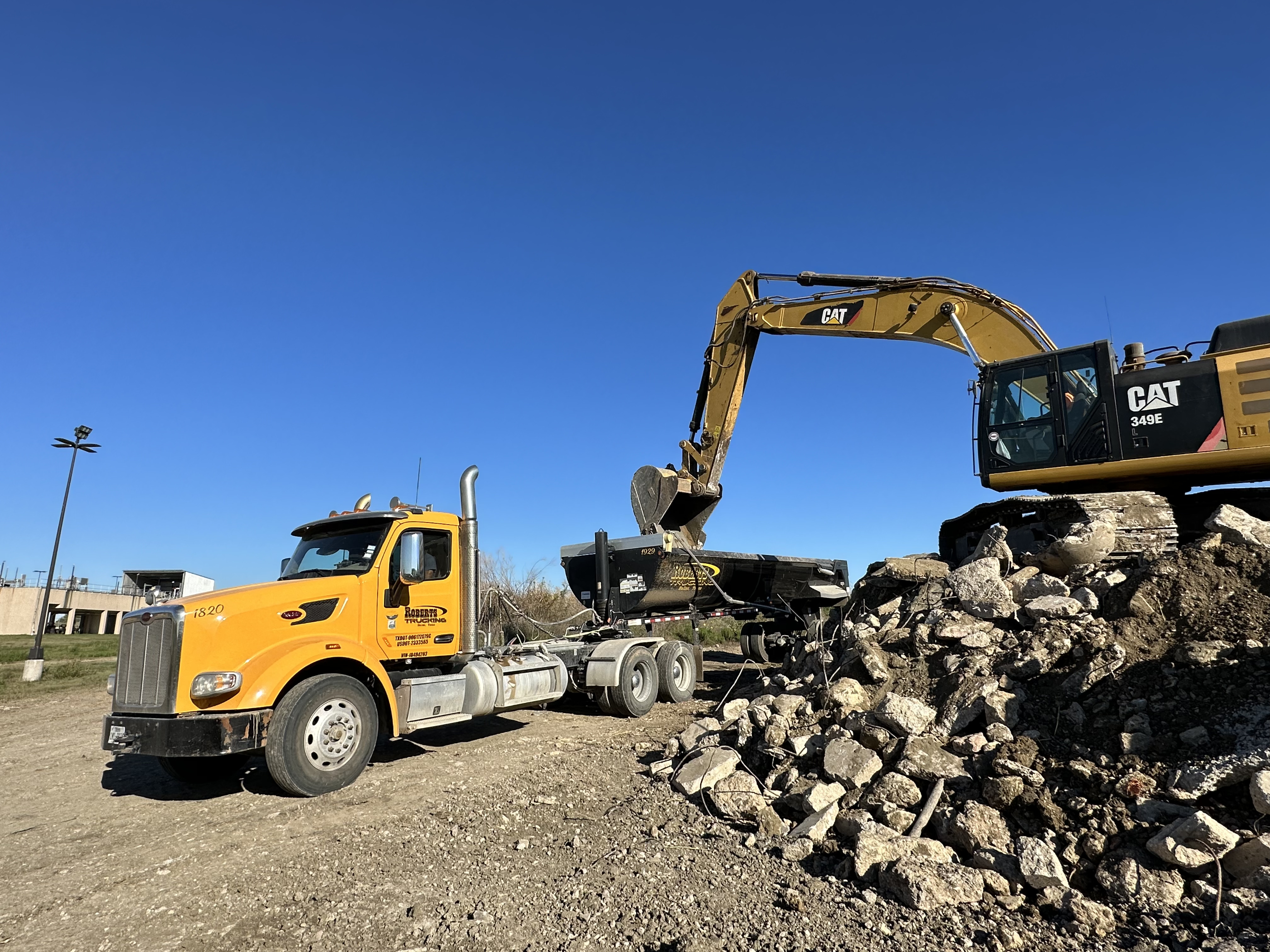
- Haulers reduce deadhead miles and wasted trips
- Projects stay on schedule with fewer logistical surprises
This isn’t just optimization — it’s a structural improvement to how construction materials move.
Savings That Add Up Fast
The financial impact of smarter matching compounds quickly. Fewer miles per load mean lower fuel costs. Fewer trips reduce labor hours. Avoided disposal fees and reduced quarry sourcing drive immediate budget relief.
Across regions and project portfolios, these efficiencies translate into millions saved annually — not through shortcuts, but through smarter coordination.
A More Connected Construction Economy
The dirt exchange economy works best when contractors, haulers, and suppliers operate as part of a shared network. When information flows freely, material moves where it’s needed, when it’s needed.
This shift strengthens local construction ecosystems and creates a more resilient supply chain — one where value is retained instead of wasted.
The Bottom Line
Matching dirt supply and demand isn’t just a cost-saving tactic — it’s a smarter economic model for construction. Digital marketplaces are making it possible to turn surplus into savings, reduce unnecessary hauling, and keep projects moving efficiently.
The future of dirt isn’t about moving more — it’s about moving smarter.












.jpg)