.svg)


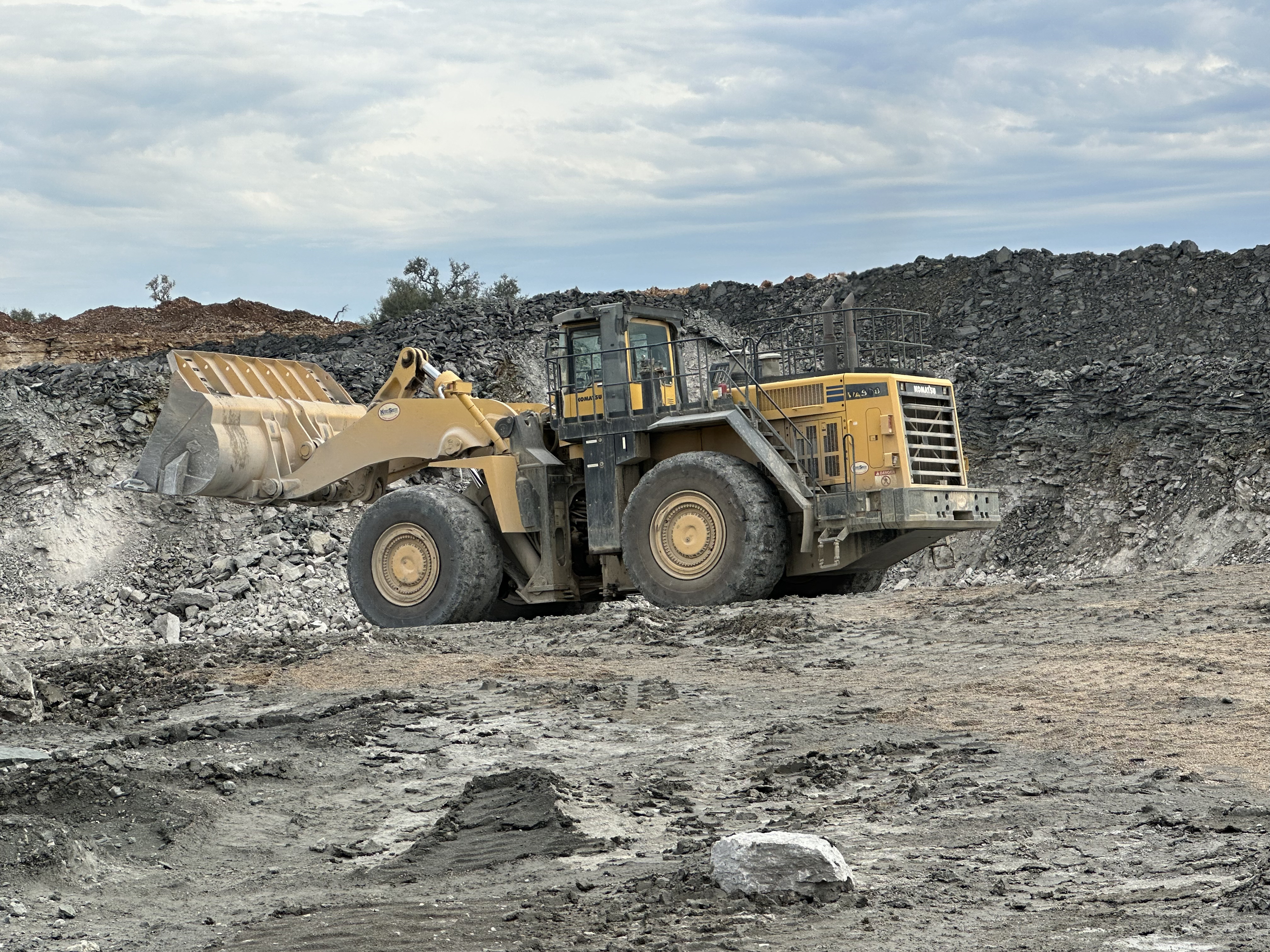
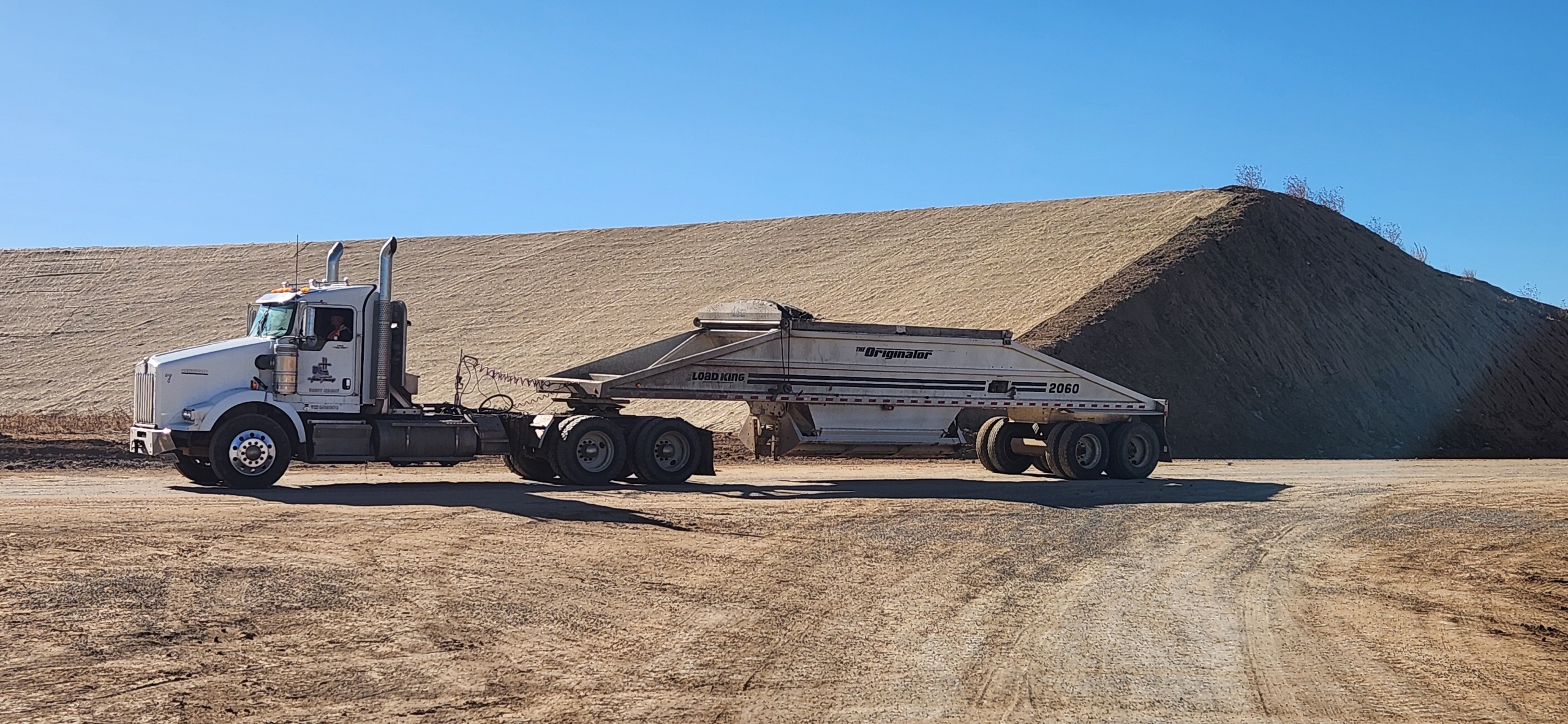
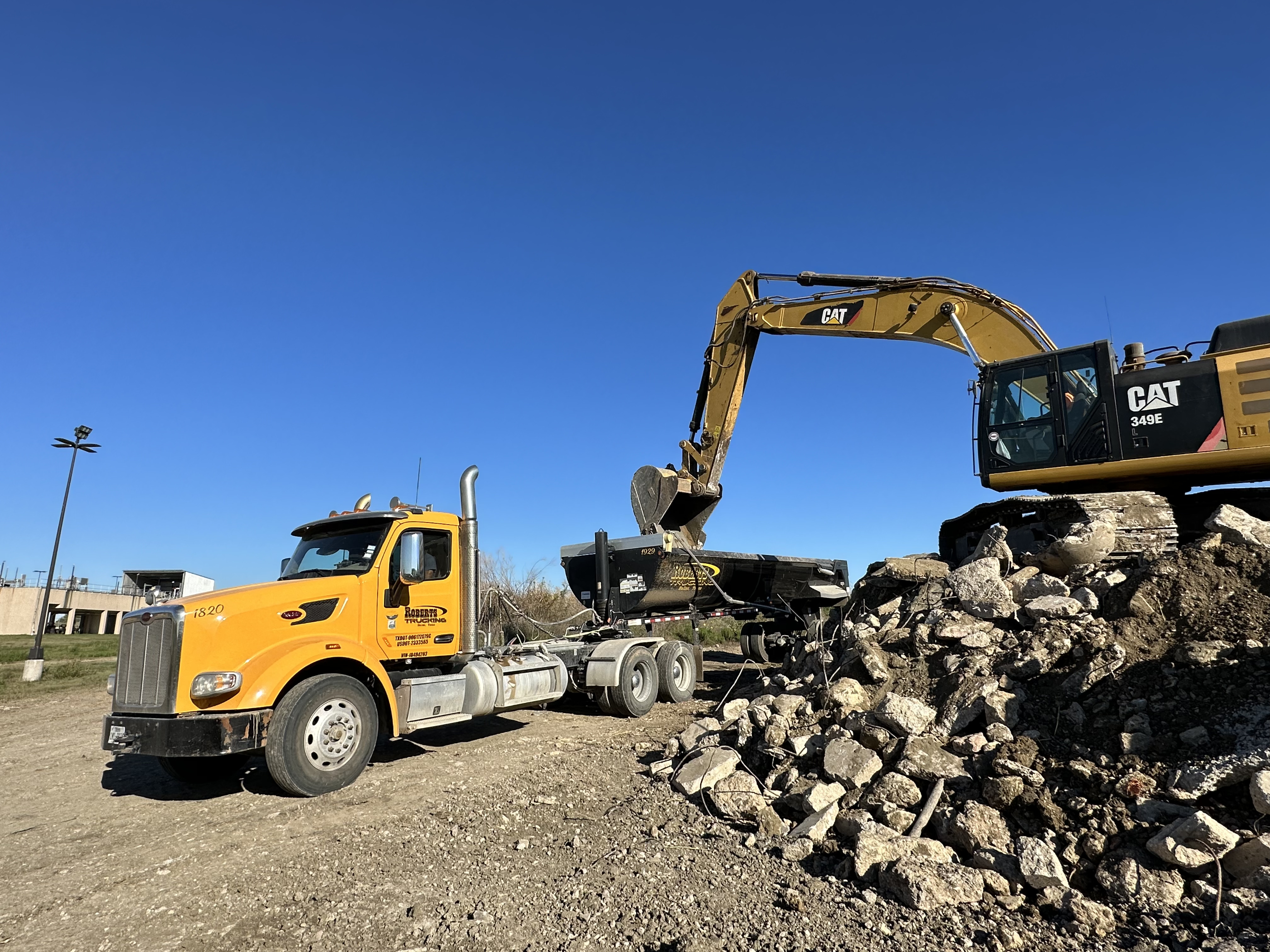
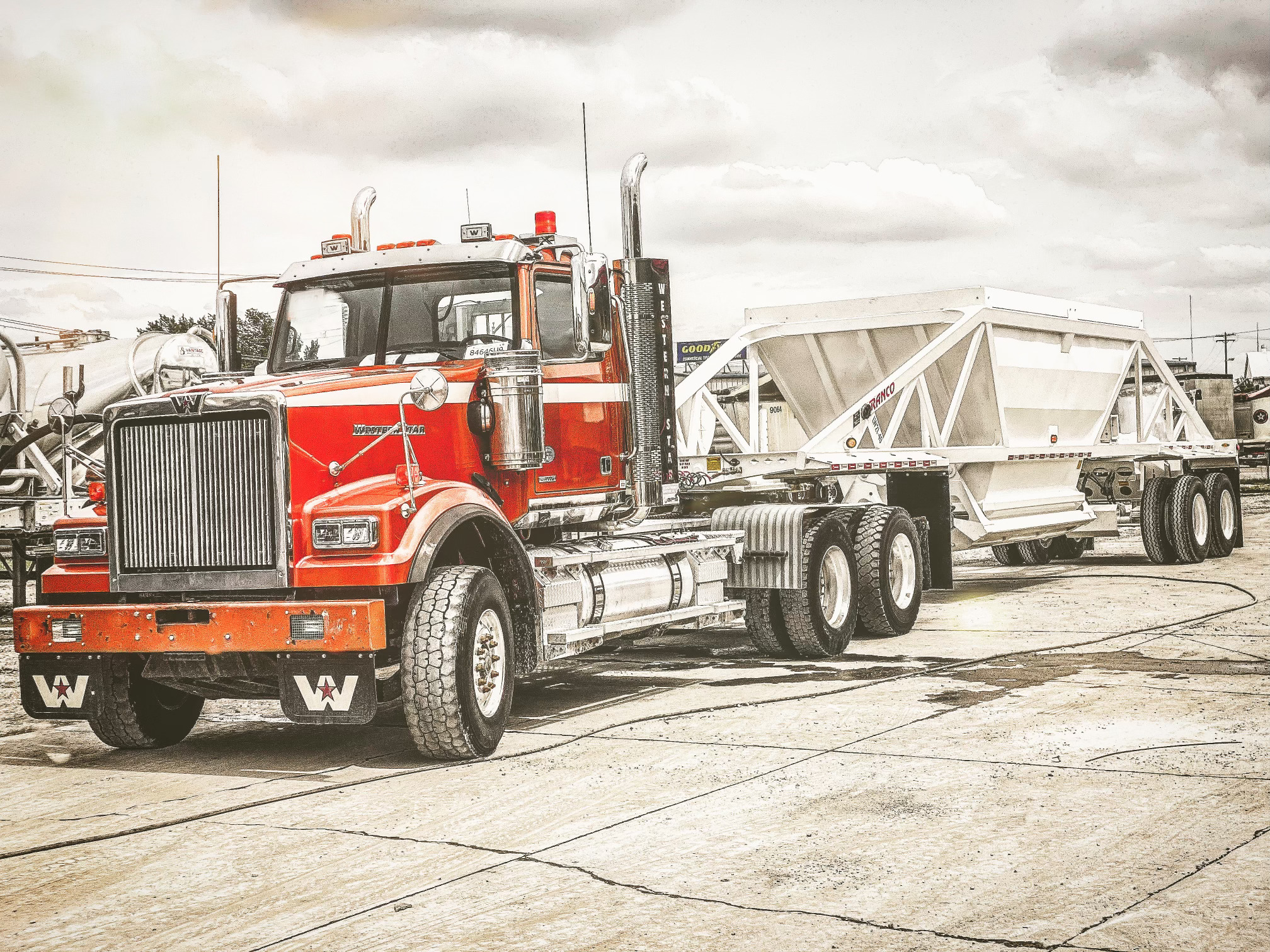
Hauling inefficiencies are one of the most overlooked cost drivers on construction projects. Trucks sitting idle, returning empty, or waiting on material approvals quietly drain budgets and push timelines off track. While fuel and labor costs are easy to spot, lost productivity often adds up even faster.
Smart hauling strategies focus on maximizing every load, minimizing downtime, and keeping material moving where and when it’s needed. As digital marketplaces gain traction across construction, contractors now have better tools to tighten operations and reduce waste across the hauling cycle.
Where Idle Time Really Comes From
Idle time doesn’t just happen at the jobsite. It often starts earlier in the planning process. Common causes include mismatched material availability, unclear delivery schedules, last-minute changes, and limited visibility into hauling capacity. When suppliers, haulers, and contractors aren’t aligned, trucks wait — and projects pay for it.
Even short delays compound quickly when multiple loads are involved. A single stalled truck can disrupt crews, delay pours, and create downstream scheduling issues that ripple through the project.
Why Full Loads Matter More Than Ever
Every empty or partially filled truck represents lost value. Haulers still incur fuel, labor, and equipment costs whether a truck is full or not. For contractors, that inefficiency shows up as higher per-yard costs and slower progress.
Matching material supply with real-time hauling capacity helps ensure trucks move full whenever possible. Local sourcing plays a major role here, reducing travel distances and making it easier to coordinate back-to-back loads instead of one-off trips.
Smarter Matching, Better Outcomes
Digital marketplaces are changing how contractors approach hauling by connecting nearby supply and demand more efficiently. When surplus dirt from one jobsite can be matched to demand at another, trucks stay moving, idle time drops, and costs stabilize.
Better visibility into pricing, availability, and logistics also makes it easier to plan ahead. Instead of reacting to delays, contractors can proactively schedule loads and adjust quickly when conditions change.
Building a More Efficient Network
Hauling efficiency isn’t just about individual jobs — it’s about the network. When contractors, suppliers, and haulers work within a shared platform, everyone benefits from clearer communication and better coordination. Projects move faster, relationships strengthen, and fewer resources go to waste.
The Bottom Line
Reducing idle time and maximizing every load isn’t just an operational improvement — it’s a competitive advantage. Smarter hauling strategies help contractors control costs, protect schedules, and get more value out of every truck on the road. As the industry continues to digitize, efficient hauling will be one of the clearest wins for projects and communities alike.











.jpg)