.svg)


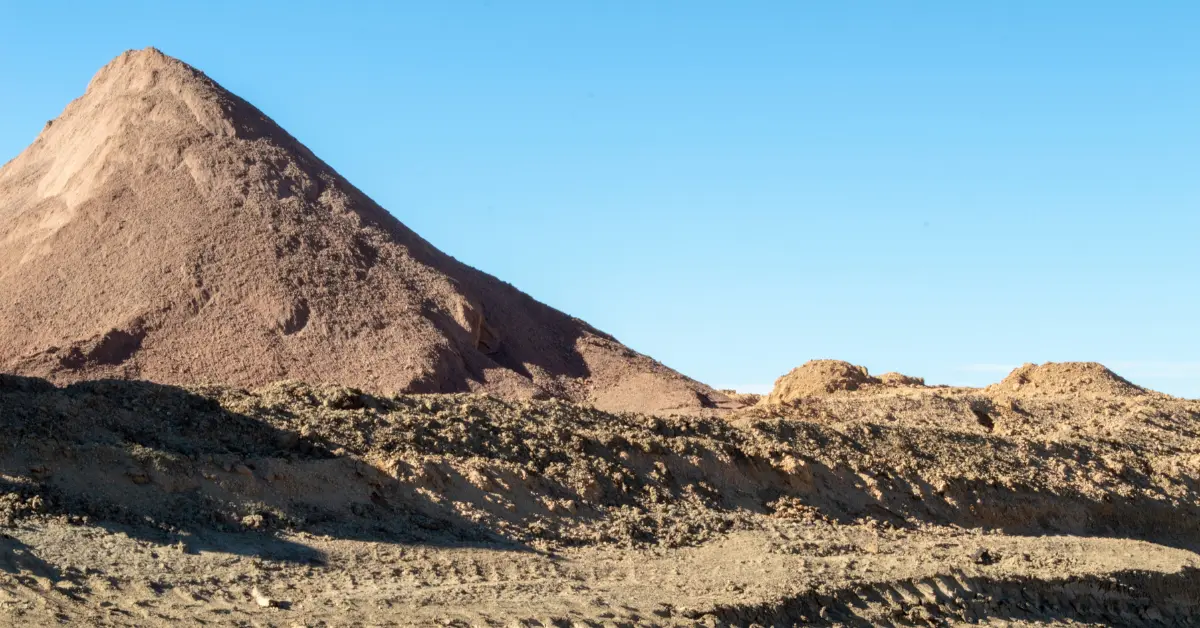
Clean fill is one of the most common materials used on construction projects — and one of the most misunderstood when it comes to pricing. Many contractors assume clean fill is cheap, abundant, and easy to source. In reality, unclear definitions, regional regulations, and hidden logistics costs can cause prices to swing dramatically from one job to the next.
Understanding what drives clean fill pricing is critical to protecting your margins and avoiding surprises mid-project.
What “Clean Fill” Really Means
Clean fill isn’t just dirt without debris. Depending on location, it may require testing, documentation, or specific material characteristics to meet regulatory or project standards. What qualifies as clean fill on one jobsite may be rejected on another — and that uncertainty often gets baked into pricing.
Why Prices Vary So Widely
Several factors influence what you actually pay for clean fill:
- Distance between source and jobsite
- Local demand from nearby projects
- Testing and certification requirements
- Disposal alternatives available to the supplier
When demand spikes or hauling distances increase, clean fill can quickly shift from a low-cost material to a major line item.
The Hidden Costs Contractors Miss
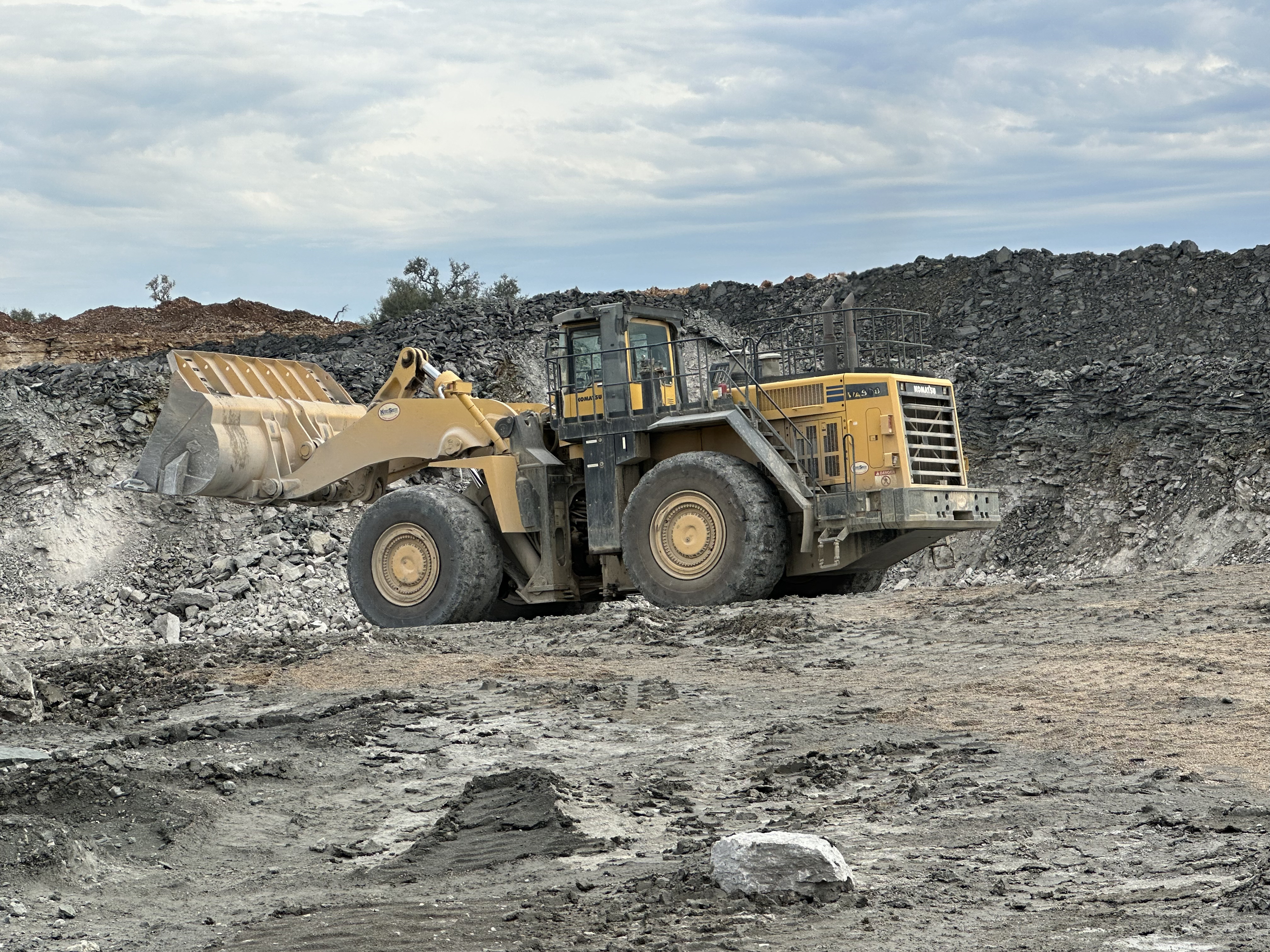
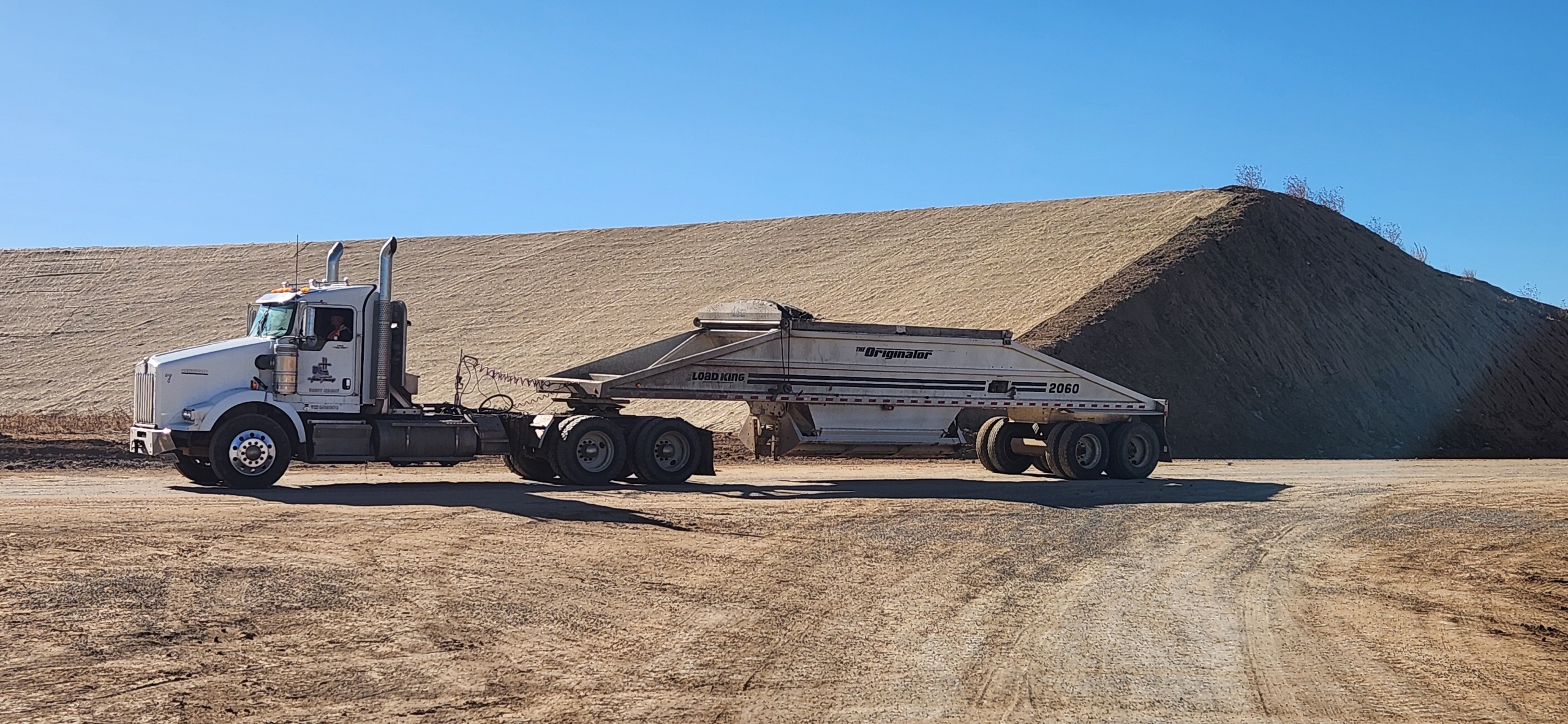
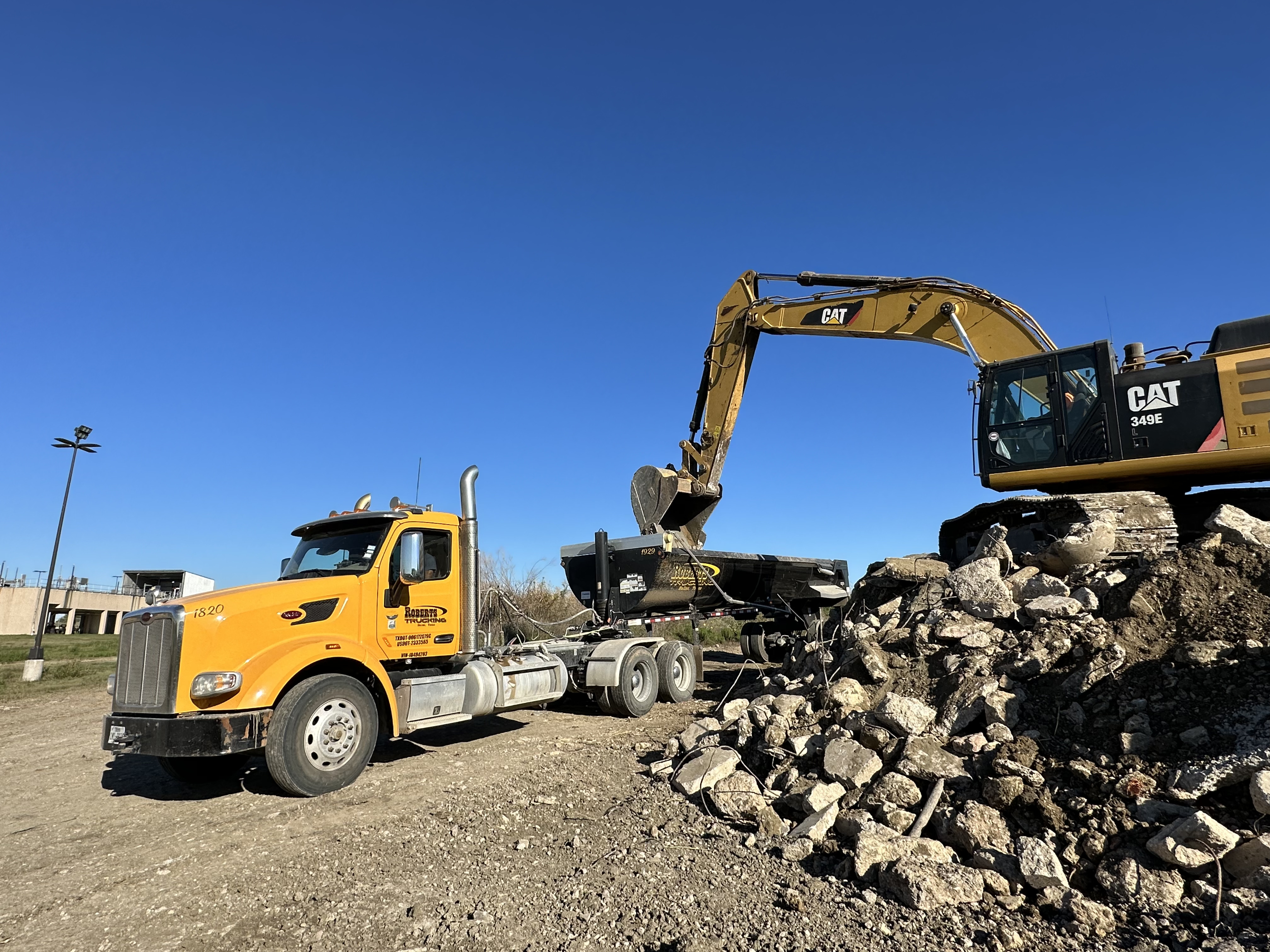
Even when material itself is inexpensive, hauling often isn’t. Long trips, idle trucks, and inefficient scheduling can quietly double your effective cost per cubic yard. Without visibility into nearby supply, contractors may overpay simply because better options aren’t easy to find.
How Smarter Matching Changes the Equation
Digital marketplaces make it easier to see what clean fill is actually available nearby — often from other active jobsites. By matching local supply and demand, contractors can reduce hauling distances, avoid unnecessary testing costs, and lock in pricing that reflects real market conditions instead of assumptions.
The Bottom Line
Clean fill pricing isn’t just about dirt — it’s about distance, timing, and transparency. Contractors who understand what they’re paying for, and why, are better positioned to control costs and keep projects moving without surprises.












.jpg)