.svg)


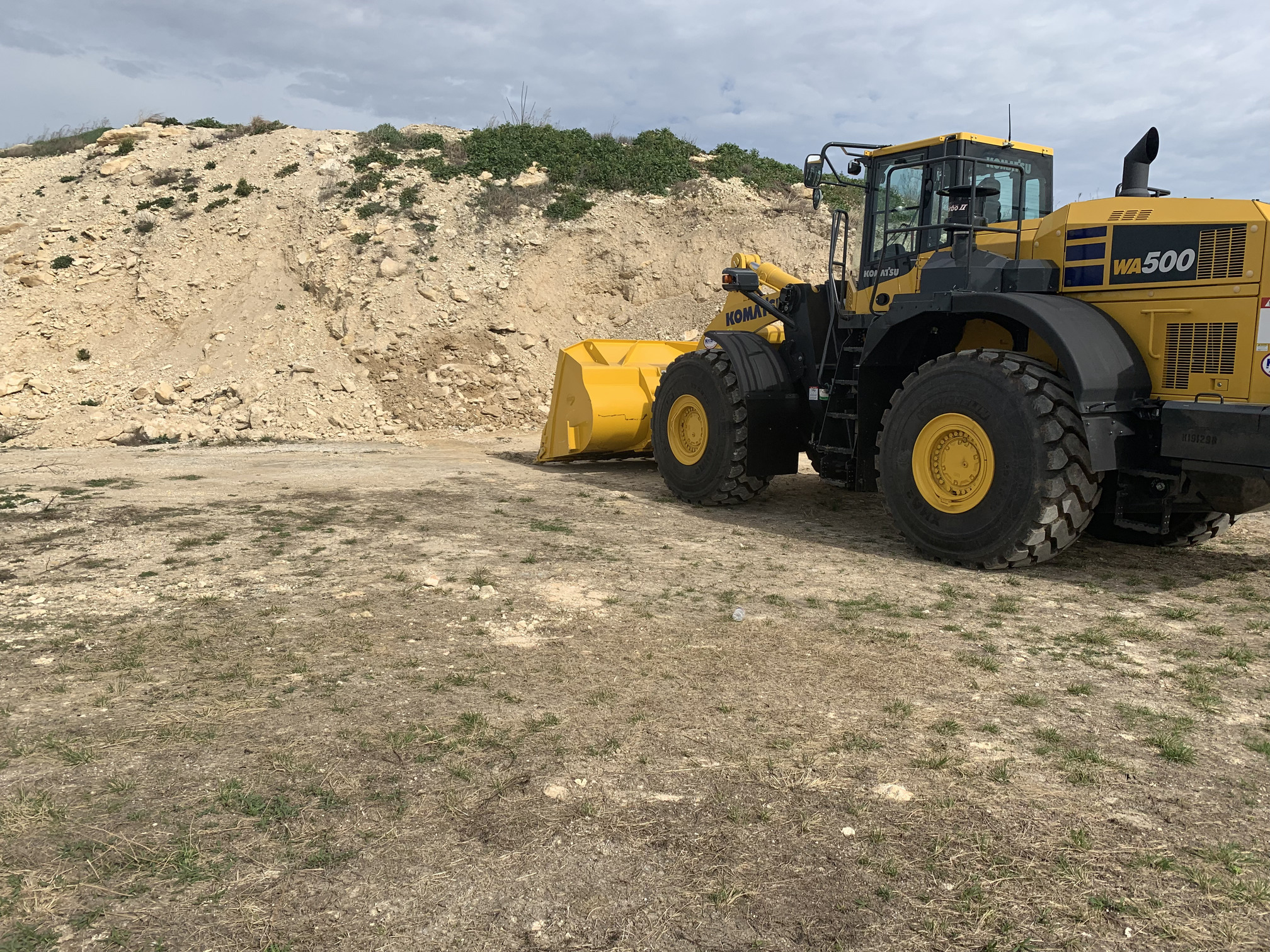
Construction has always been a margin-sensitive business, but in today’s environment, even small inefficiencies can quickly turn profitable projects into break-even jobs. Rising operating costs, tighter schedules, and increased competition are forcing contractors to look more closely at where profit is actually being lost and how to stop it. The reality is that margins rarely disappear from one big mistake. They erode slowly, through small, repeated inefficiencies across sourcing, hauling, scheduling, and coordination. One must understand the impact of rising and volatile material and labor costs, as well as procurement inefficiencies, on overall project profitability.
The Hidden Cost of Material Inefficiency
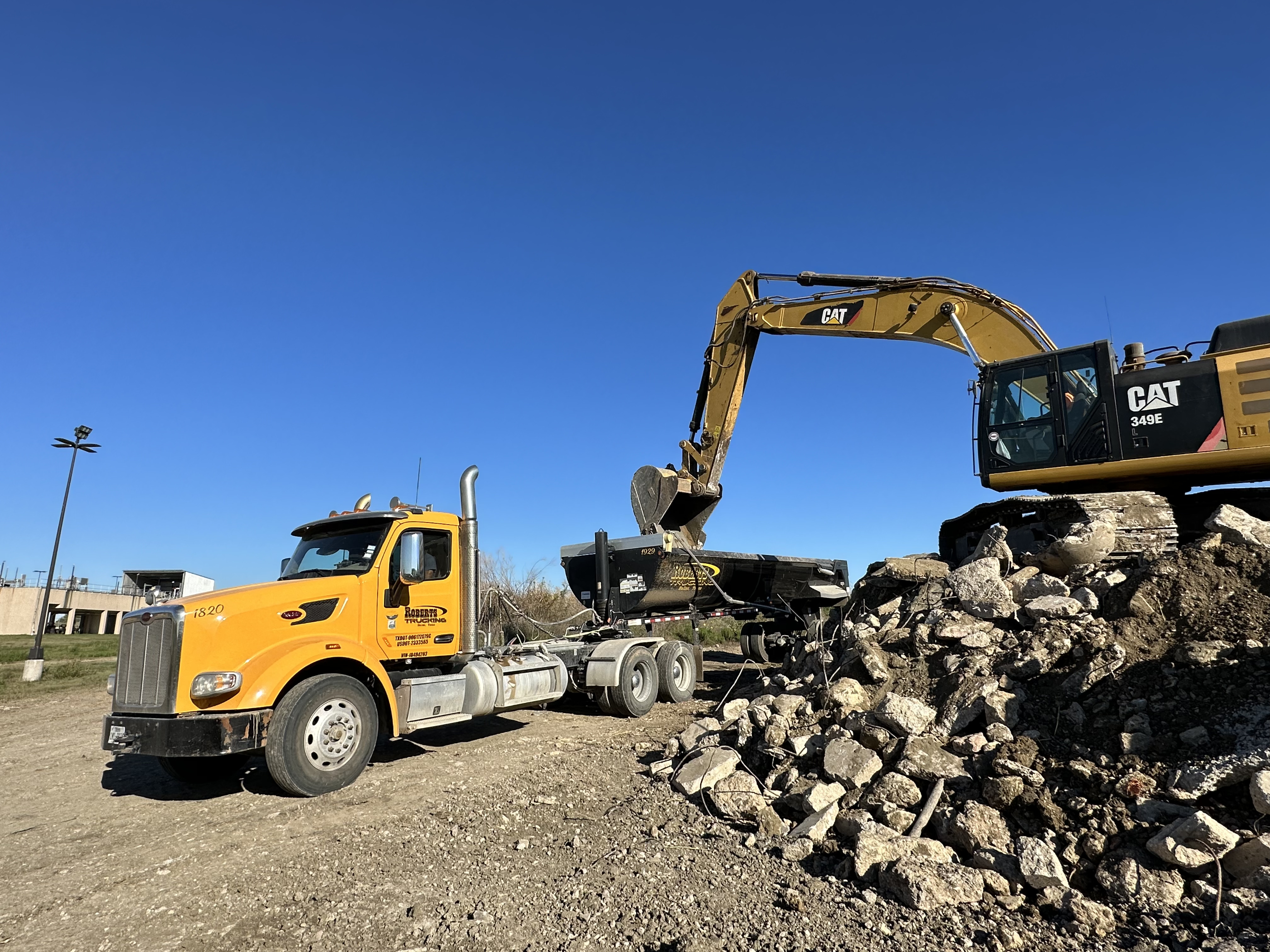
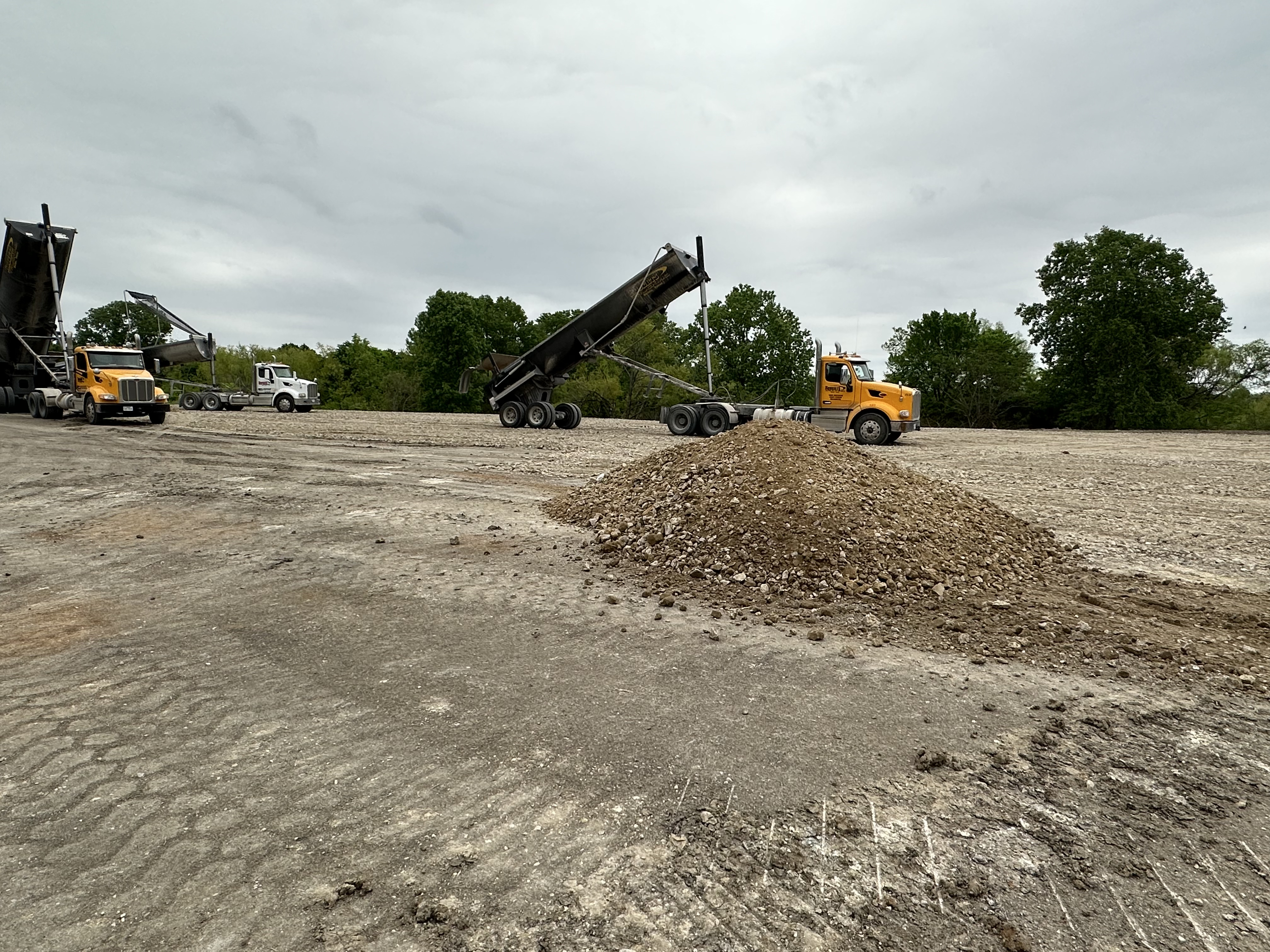
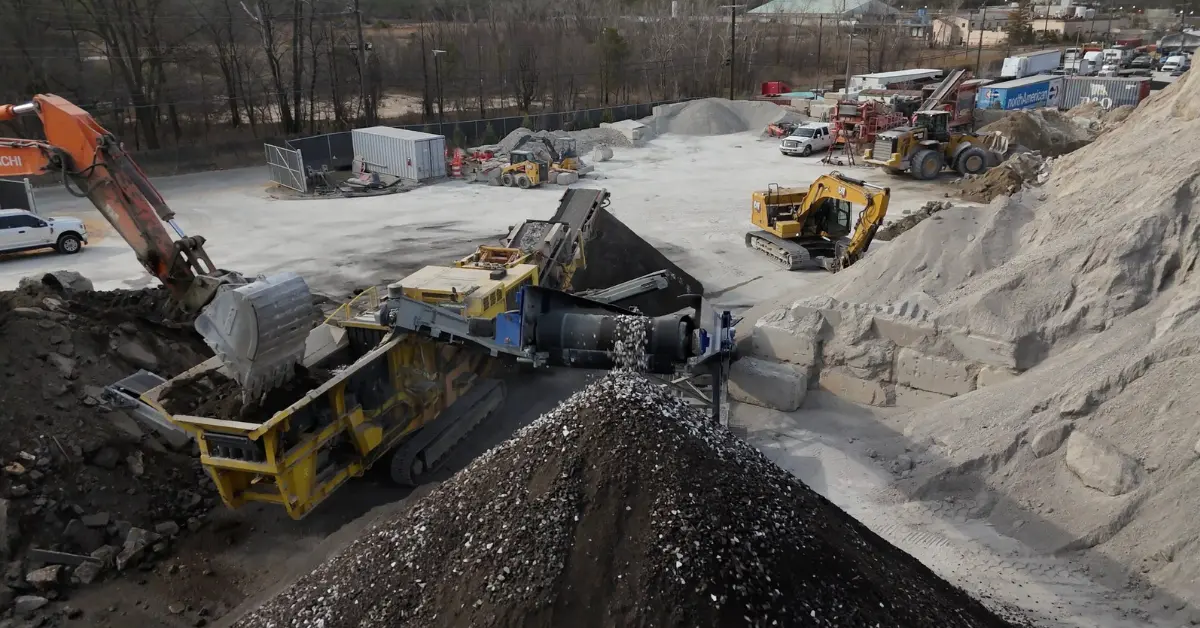
Material sourcing decisions often focus on price per unit instead of total delivered cost. But fill, aggregates, and site materials come with transportation costs, timing risks, and availability constraints that can drastically affect the actual price.
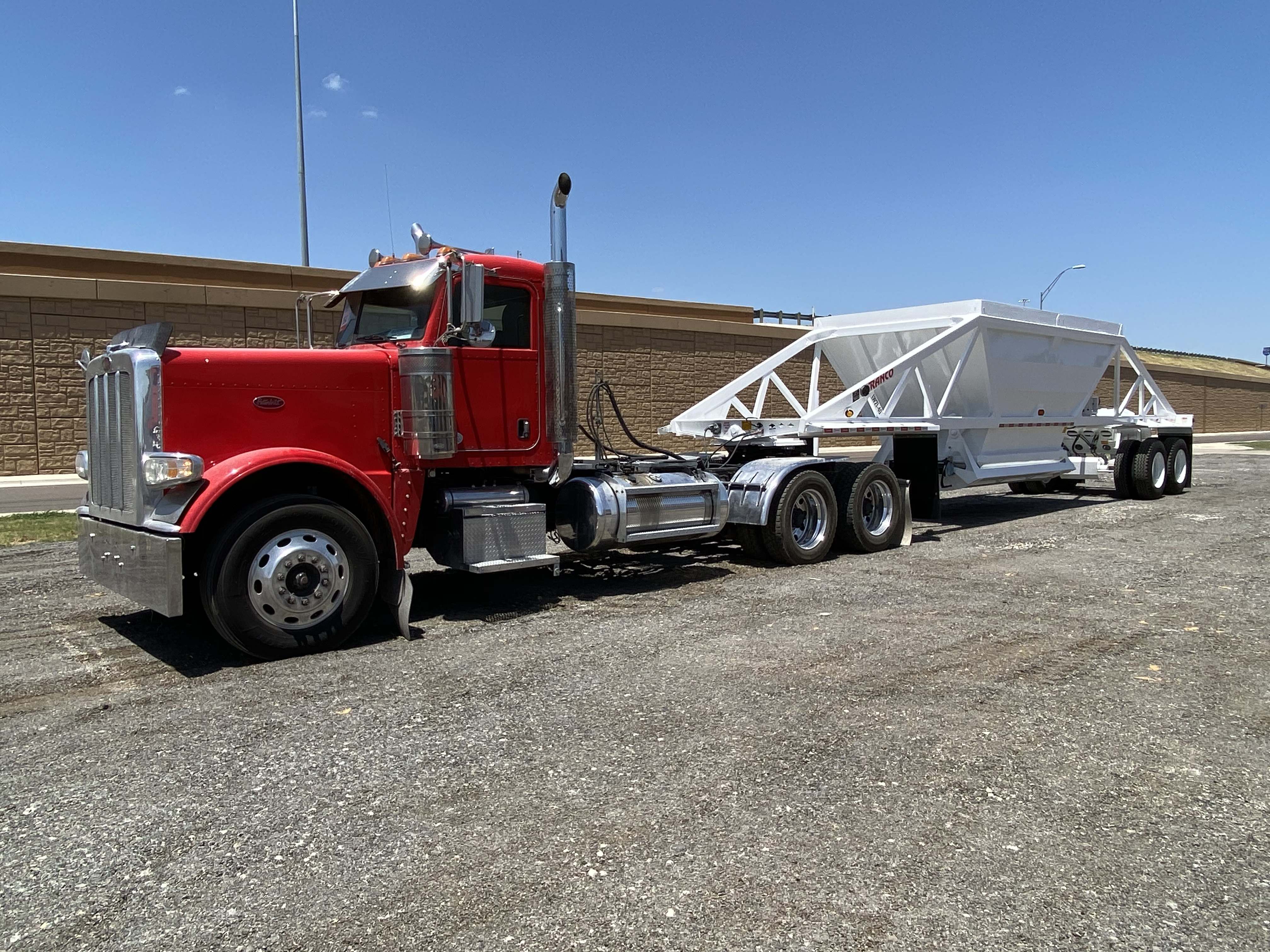
When contractors source material from distant suppliers without visibility into local options, hauling costs increase, delivery schedules become less predictable, and productivity drops. Over time, these inefficiencies quietly eat into profit.
Cash Flow and Financial Management
Poor financial controls can quietly destroy construction margins even when a project looks profitable on paper. In construction, profit is about how quickly money moves through the business and how tightly that money is managed once the job starts. When owners pay late, contractors are forced to carry payroll, subcontractor invoices, equipment costs, fuel, insurance, and supplier bills long before revenue arrives. That gap creates pressure on working capital and can push companies to rely on credit lines, incur interest costs, or delay payments to vendors, all of which reduce the actual profit left at the end of the job.
Cash flow problems also limit a contractor’s ability to buy materials early, take advantage of favorable pricing, or keep crews fully productive, leading to higher costs and slower progress. The margin impact is often indirect at first, but it compounds over time through financing charges, missed discounts, rushed purchasing decisions, and project disruptions caused by strained liquidity. Poor financial controls worsen the situation by allowing expenses to slip through without proper review, coding, or approval. If job costs are not tracked accurately and consistently, managers may not realize a project is underperforming until the profit has already disappeared. Weak controls also make it easier for unbilled costs, duplicate payments, inaccurate cost allocations, and overdue receivables to go unnoticed. That means the business can appear busy and fully booked while still losing money behind the scenes.
Strong financial discipline helps prevent that outcome by making sure every invoice is reviewed promptly, every cost is assigned correctly, and every project’s cash position is monitored against the budget in real time. Contractors that enforce tighter billing cycles, faster collections, and regular financial reviews are better able to spot margin leakage before it becomes permanent. They can also make better decisions about when to slow spending, when to follow up on receivables, and when to adjust forecasts based on actual cash inflows and outflows.
Team Competence and Communication
Effective communication, team training, and organizational alignment are often the difference between healthy margins and slow profit leakage in construction. When teams understand priorities and expectations, projects run more smoothly, and costly friction is reduced across the job.
- Prevents Costly Misalignment: When field teams, project managers, and office staff communicate clearly, fewer details get lost between updates, handoffs, and approvals. That reduces rework, confusion, and duplicated effort, helping projects stay on schedule and protect profit from avoidable operational mistakes.
- Consistent Performance: Well-trained teams are more likely to follow consistent procedures, document work accurately, and spot problems early. This consistency matters because even small execution errors can create delays, waste, and margin loss when repeated across multiple jobs.
- Keep Teams Focused on Profit: Organizational alignment helps everyone work toward the same financial and operational priorities. When leaders, supervisors, and crews understand what success looks like, they make better day-to-day decisions that support efficiency, accountability, and stronger project outcomes.
- Reduce Expensive Rework: Construction jobs rely on smooth transitions between departments and project phases. Strong communication during handoffs helps ensure instructions, responsibilities, and expectations are understood before work begins, preventing confusion that can lead to rework and margin erosion.
- Strengthens Decision-Making: When management teams present a unified direction, project decisions are faster and more consistent. That reduces delays caused by conflicting instructions or unclear priorities, allowing crews to stay productive and keeping avoidable costs from building up over time.
- A Culture of Accountability Protects Margins: Teams that are trained, informed, and aligned are more likely to take ownership of their work and report issues early. That accountability makes it easier to address mistakes before they spread, preserving profit and improving overall project reliability.
Healthy margins are not only a matter of pricing or cost control. They also depend on how well people work together. Construction companies that invest in communication and alignment are better positioned to reduce waste and keep profit from quietly slipping away.
Performance Measurement and Benchmarking
Industry benchmarking, KPIs, and analytics give contractors a practical way to see whether margins are healthy or quietly slipping. Benchmarking matters because internal performance only tells part of the story. Comparing results against industry norms helps teams understand whether a margin problem is isolated or structural. The most useful benchmarks are not broad averages alone, but segmented comparisons by project type, size, region, and delivery method, since a margin that looks acceptable in one segment may be weak in another. That context helps leadership set more realistic targets and spot performance gaps sooner. KPIs make this monitoring actionable. Instead of reviewing profit only at the end of a project, contractors can track a small set of margin-related indicators throughout delivery, such as gross margin by job, budget variance, cost-to-complete accuracy, labor productivity, and profitability by phase or cost code. Inefficient project execution and a lack of streamlined processes contribute to profit losses in construction operations.
These metrics help teams identify where margin is being lost before it becomes permanent. For example, if one project consistently runs above benchmark on labor hours but remains close on material costs, the issue is likely tied to execution rather than procurement. Analytics deepens that visibility by showing patterns over time. Trend analysis can reveal whether certain project types, crews, or managers routinely outperform others, while variance analysis can pinpoint which jobs or activities are driving underperformance. Predictive analytics can also help teams anticipate margin fade by flagging projects likely to finish below target, based on current spending, production rates, and historical performance.
The value of analytics is in helping managers decide where to intervene first. Over time, companies that use benchmarking and KPI dashboards consistently build a stronger feedback loop between estimating, project delivery, and financial review. That feedback loop improves accountability, sharpens decision-making, and helps leadership reset expectations based on actual performance instead of guesswork. In a margin-sensitive environment, this kind of discipline is essential. Contractors that measure performance regularly, compare it against credible benchmarks, and act on the insights are better positioned to protect profit, improve forecasting, and make margin control part of everyday management rather than an after-the-fact review.
Estimation and Bidding Accuracy
Inaccurate bidding estimates can quietly erode margins before a project even starts. When labor hours, material quantities, equipment needs, or subcontractor costs are underestimated, the bid may win work that is already priced too low to absorb real-world conditions. Small misses at this stage become expensive once crews mobilize, especially if the estimate fails to account for site constraints, production slowdowns, or pricing changes between bid and buyout. As those gaps compound across multiple jobs, contractors end up covering overruns from their own profits rather than client revenue. Better estimating discipline helps protect margin by aligning bid assumptions with actual project complexity and execution risk.
Data Visibility and Technology Adoption
The importance of real-time data, timely financial reporting, and integrated technology solutions in identifying and preventing margin fade.
- Real-Time Data Helps Catch Margin Fade Early: Real-time data gives contractors immediate insight into what is happening on the job, not just what happened last month. That matters because margin fade usually starts with small overruns, productivity dips, or missed cost signals that are easy to miss in delayed reports. When project teams can see live budget-to-actuals, they can correct course quickly, protect profitability, and prevent minor issues from growing into major financial losses.
- Timely Financial Reporting Prevents Late Reactions: It turns margin control into an active process rather than an after-the-fact review. If job costs, revenue, and forecast updates are only reviewed periodically, leaders may not realize a project is slipping until the damage is already done. Faster reporting creates earlier accountability and better decisions. It helps managers identify negative trends, adjust expectations, and intervene while there is still time to preserve project profit.
- Integrated Technology Creates a Complete Margin View: Integrated technology solutions connect field data, project management, and financial systems, allowing contractors to see the full picture in one place. That matters because margin fade often hides in disconnected workflows, where delays between systems create blind spots. When information flows automatically across platforms, teams spend less time reconciling numbers and more time acting on them.
They give contractors the visibility needed to detect margin fade early, the speed needed to respond fast, and the structure needed to prevent the same losses from repeating across future jobs.
Change Order and Scope Management
Uncontrolled change orders are among the fastest ways for construction margins to disappear because they turn profitable work into unpaid work. A project can start with a solid bid and still underperform if extra tasks, revised drawings, client-requested additions, or field-driven changes are performed before they are formally documented, priced, approved, and billed. The problem is the failure to manage change as a financial event. When scope expands informally, crews keep working, materials are consumed, and subcontractors move forward, but the cost often remains trapped within the original budget. That means the contractor absorbs labor, equipment, overhead, and coordination time that should have been covered by a change order.
Even small additions can quietly add up over the course of a project, especially when multiple stakeholders request “minor” adjustments that never make it into a formal paper trail. Scope creep is equally damaging because it rarely arrives as one obvious request. It usually happens in small steps: a clarification here, a revision there, a workaround in the field, or a promise to “sort it out later.” By the time the team recognizes the cumulative impact, the project has already lost margin. Proper documentation is what protects that margin. Contractors need a clear process for identifying changes immediately, recording the reason for the change, capturing the labor and material impact, and securing approval before the work is treated as part of the base scope. They also need disciplined billing practices so that approved changes are invoiced promptly rather than forgotten during closeout. Without that discipline, change orders become a source of leakage rather than recovery. Strong scope management also improves accountability among the field, project management, and accounting teams because everyone can see what the original contract work is and what is extra. That visibility helps prevent disputes, reduces the chance of unbilled work, and keeps project profitability aligned with the real amount of work performed.
Protecting Margins Through Smarter Material Strategy
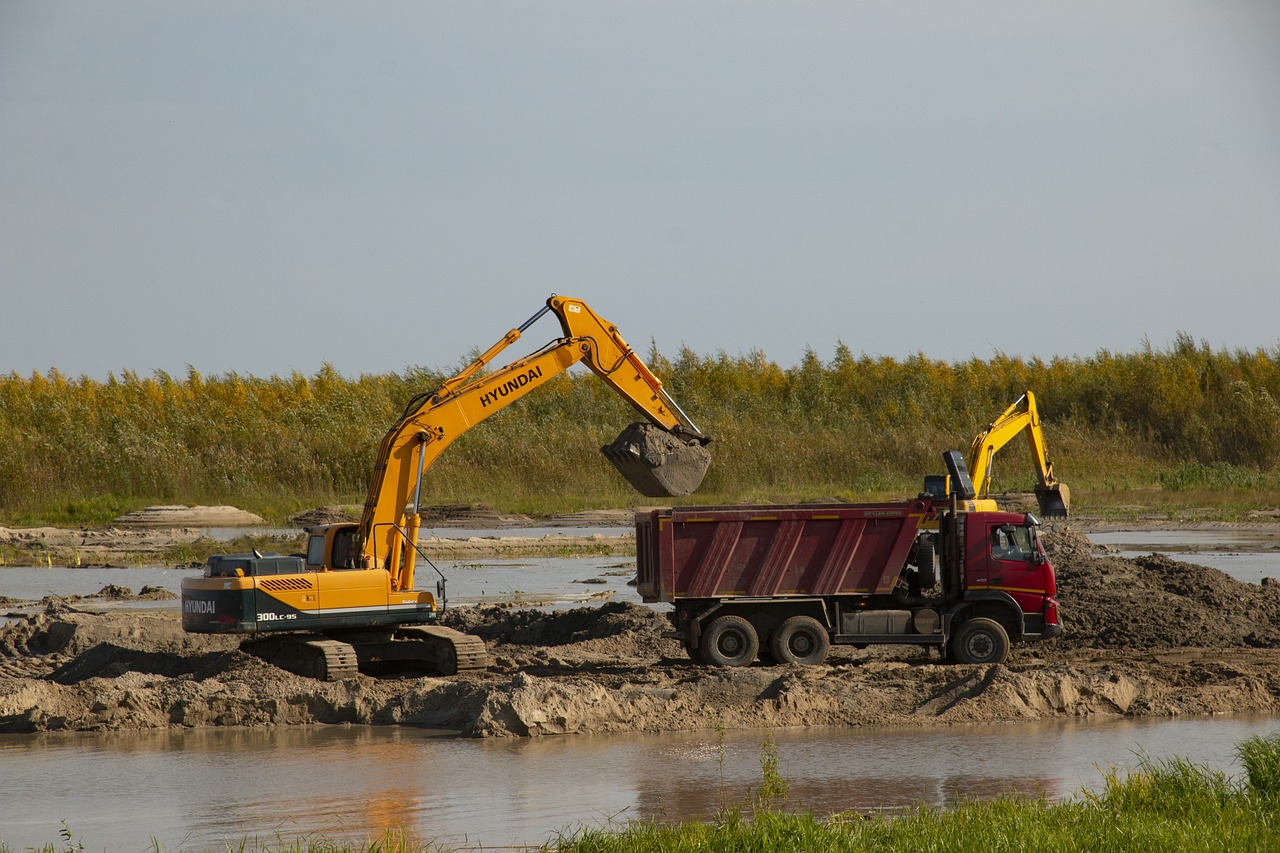
Contractors who consistently protect margins tend to focus on total project efficiency rather than individual line items. They prioritize local sourcing, reliable delivery timelines, and flexible logistics strategies. Instead of reacting to cost increases, they build sourcing strategies that reduce exposure to volatility.
Construction margins are disappearing through small inefficiencies across sourcing, hauling, and scheduling. Contractors who improve visibility, reduce hauling distance, and prioritize reliable access to materials are better positioned to protect profits and stay competitive. Sign up to Soil Connect today and start moving dirt smarter.
















.jpg)