.svg)


Excess dirt has traditionally been treated as a cost. Contractors excavate material, load it out, and pay to have it hauled away — often with little thought beyond disposal.
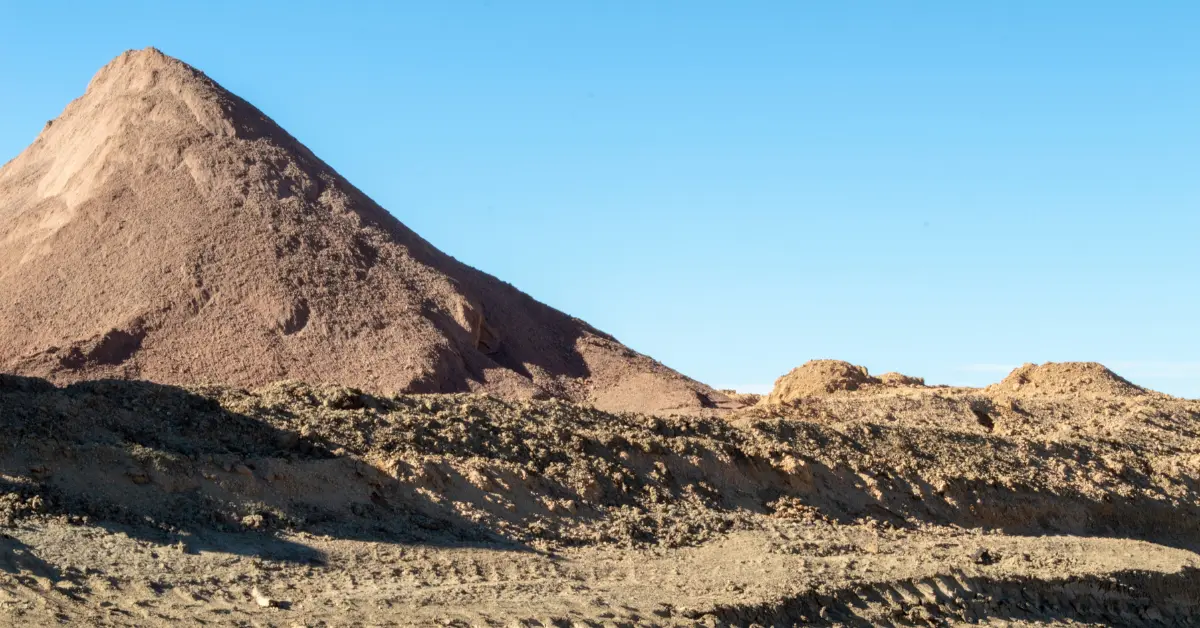
But that mindset is changing. More contractors are realizing that excess dirt isn’t waste — it’s an asset. With the right visibility and connections, surplus material can be matched to nearby demand, turning a cost center into a revenue opportunity.
Why Excess Dirt Has Value
On any given day, one project is paying to remove dirt while another is paying to bring it in. The disconnect isn’t in supply or demand — it’s in visibility.
When contractors can connect these two sides locally, material that would have been disposed of becomes usable fill for another job. That shift creates immediate financial upside.
Turning Disposal Costs Into Revenue
Disposal fees, long haul distances, and landfill costs add up quickly. By redirecting material to another jobsite instead of a dump, contractors can avoid those costs and, in many cases, generate revenue from the material itself.
Even when revenue is modest, the combination of avoided disposal cost and reduced hauling distance can significantly improve project margins.
Timing and Coordination Matter
Monetizing excess dirt requires more than just finding a buyer. Timing, material specs, and logistics all need to align.
When supply and demand are matched early in the project lifecycle, contractors gain more flexibility to coordinate hauling, maintain schedules, and avoid last-minute decisions that reduce value.
Visibility Unlocks Opportunity
Historically, contractors had limited ways to find nearby demand for excess material. Today, digital platforms provide real-time visibility into where material is needed, what type is required, and how quickly it can be moved.
This visibility turns what was once a disposal problem into a strategic opportunity.
Stronger Connections Create a More Efficient Market
When contractors, suppliers, and haulers are connected through a shared network, material flows more efficiently across projects. Less dirt is wasted, fewer long hauls are required, and more value is captured locally.
This connected approach transforms dirt from a fragmented commodity into part of a coordinated construction ecosystem.
The Bottom Line
Excess dirt doesn’t have to be a cost. With better visibility and stronger local connections, contractors can turn surplus material into revenue, reduce waste, and improve overall project profitability.











.jpg)