How-To

How to compact fill dirt so it does not settle

Fill settles least when it goes down in thin lifts near optimum moisture, gets the right compactor and passes a density test before the next lift.

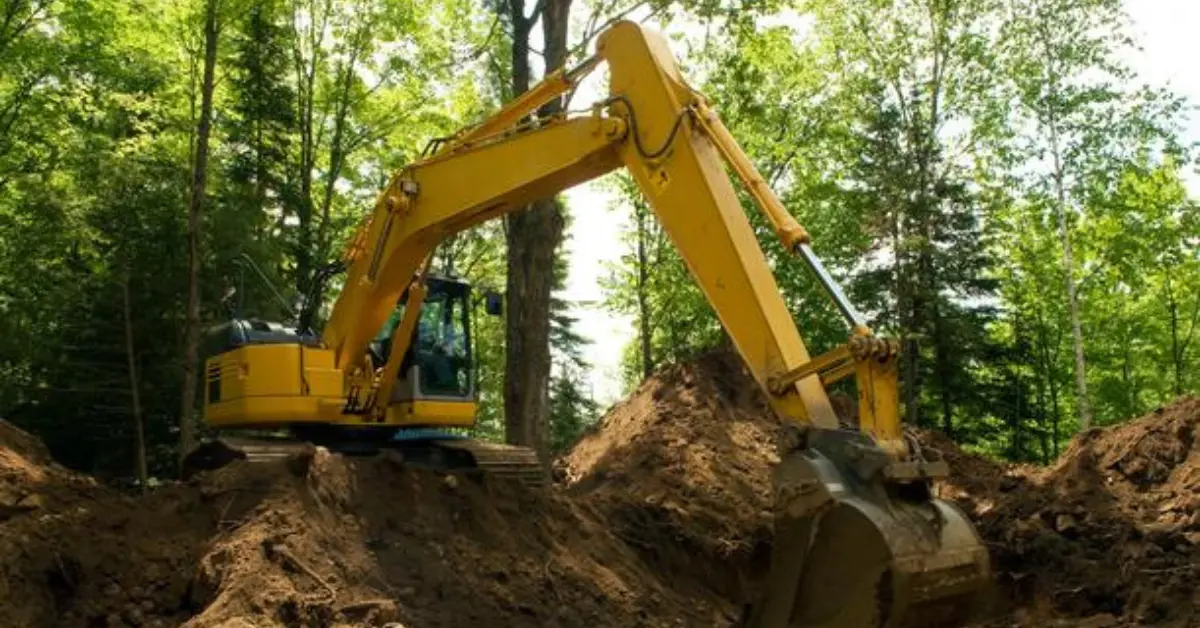
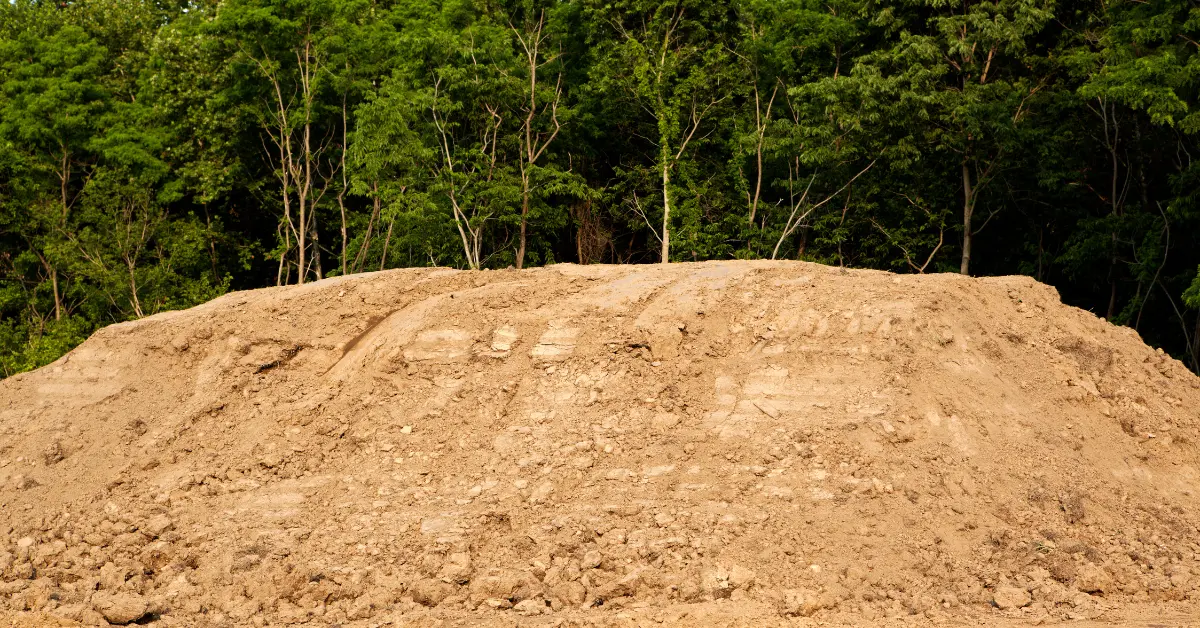
A stockpile of tan fill dirt waiting at the edge of a wooded job site.

Soil Connect by the numbers

34%

average savings on dirt & hauling costs

  • 2019matching sites that have dirt with sites that need it since
  • 24 hrsfastest payout for haulers moving dirt
  • Daysto several matches for excess dirt, per Pittman Partners
  • 3 in 1Marketplace, Reporting & Hauling in one place

Ready for your next import or export?

Get Started

Process at a glance

Place fill in thin loose lifts, often 8 inches or less, at a moisture near its Proctor optimum. Compact granular soil with a vibratory plate or smooth drum and cohesive soil with a padfoot roller or rammer, then test every lift. Your project's geotechnical report and specs set the actual numbers, so read them first.

Prepare

Before you start compacting soil

Most settlement is decided before the first pass. Compacting soil that is the wrong material or the wrong moisture wastes hours of machine time, because no number of passes will bring it to density.

Start with the geotechnical report and the earthwork spec. They name the fill type, the Proctor method, the percent compaction and the moisture window, and they outrank any rule of thumb in this guide. Anyone asking how to compact soil for foundation work should read them twice, because footings and slabs usually carry tighter targets than general site fill.

If the spec calls for imported material, our piece on select fill for foundation prep covers what that material should look like.

Pick fill that compacts well

Granular fill such as sand and gravel compacts quickly and drains. Clays and plastic silts can meet spec too, but they need tight moisture control and kneading equipment. Reject loads carrying topsoil, roots, debris or frozen lumps. Organics rot and frozen clods thaw into soft spots under the slab.

Bring the fill to the right moisture

The lab Proctor test gives the fill's optimum moisture content, the water level at which it reaches maximum dry density under that test's effort. The federal earthwork guide spec offers a window of plus or minus 2 percentage points of optimum, and project specs can set a different range. Dry fill stays loose and wet fill pumps, so water or aerate the material and mix it before you compact, not after.

Choose a plate compactor or roller

Match the machine to the soil as a starting point. A vibratory plate compactor or smooth drum roller suits sand and gravel. Clay responds to kneading and impact, so use a padfoot or sheepsfoot roller in open areas and a jumping jack compactor, also called a rammer, in trenches and tight spots along foundation walls. Mixed soils such as clayey sand fall in between, so let a test strip decide.

Sourcing the fill is part of the prep. Contractors who list the job on the Find Dirt marketplace get a call from a Soil Connect Dirt Specialist within 1 business day, and Soil Connect's Dirt Pros check that the material meets the project specifications before it ships.

Steps

How to compact dirt in lifts step by step

Here is how to compact fill dirt so the full depth reaches density, not just the top few inches. Place it thin, compact it at the right moisture, test it, and only then place the next lift.

The same sequence answers how to compact soil on a house pad or a parking lot base. Only the targets change, and those come from the spec.

Spread the fill in thin lifts

Strip the area, proof roll the subgrade and fix any soft spots before fill goes down. Never place fill on mud, frost or standing water.

Spread each lift evenly. UFGS 31 00 00, the earthwork guide spec federal agencies edit for military construction, caps loose lifts beneath and next to structures at 8 inches, or 4 inches with hand-operated equipment. That is a common reference point, not a universal rule, so follow the lift limit in your own spec. Where a spec allows thicker lifts for heavy rollers or large reversible plates, a test strip should prove the bottom of the lift reaches density.

Expected result: A level loose lift no thicker than the spec allows

Make overlapping passes

Run the compactor in straight, overlapping lanes so no strip is missed, then make a second coverage at right angles if the spec or the test strip calls for it. Keep a steady travel speed. Stopping in one spot with the vibration on gouges granular fill and leaves a low spot.

Count passes instead of guessing. The test strip shows how many coverages it takes to compact dirt from this source to spec, and that count becomes the crew's minimum for every lift.

Expected result: Uniform coverage with no missed lanes

Run a compaction test on each lift

A compaction test in the field measures the in-place dry density and moisture of the lift. Testers commonly use a nuclear gauge under ASTM D6938 or a sand cone under ASTM D1556, then divide the field dry density by the Proctor maximum to get percent compaction.

The target is project specific. UFGS 31 00 00, for example, defaults to 95 percent of laboratory maximum dry density for cohesionless fill beneath and next to structures and 90 percent for cohesive fill, with lower numbers for general site areas. Check whether your spec's number refers to Standard Proctor (ASTM D698) or Modified Proctor (ASTM D1557), because 95 percent Modified is the harder target. Test frequency is in the spec too. The same guide spec notes that frequency can range from one test per 100 square feet on small areas to one per 10,000 square feet. A lift that fails gets reworked and retested before anything covers it.

Expected result: A passing density and moisture result logged for every lift

Finish & protect the surface

Grade the last lift so water runs off, then seal it with a smooth drum pass. Keep loaded trucks off the finished pad where you can.

Rain and frost undo good work fast. If the surface gets soaked or freezes before the slab or footing goes in, scarify it, let it dry back toward optimum, recompact it and ask the tester to check it again.

Expected result: A tested, drained pad ready for the next trade

Troubleshooting

Troubleshooting soil compaction problems

Most soil compaction failures trace back to moisture, lift thickness or the fill itself. Check those first before adding passes. Material problems are the hardest to fix in place, which is why understanding fill quality before the trucks arrive saves rework. Clays add their own behavior, covered in our guide to plasticity index & soil performance.

The lift ruts or pumps under the roller.

The fill is usually too wet, or the subgrade under it is soft. Stop compacting, scarify the lift and let it dry, or blend in drier material, then recompact near optimum.

Density tests fail after the planned passes.

Check moisture first, then lift thickness. A lift thicker than the machine can reach stays loose at the bottom even when the top looks tight.

Clay sticks to the plate and the plate bounces.

Vibratory plates struggle on cohesive soil. Switch to a rammer in tight areas or a padfoot roller in the open.

Sand stays loose no matter how many passes.

Clean sand often needs more water than it looks like it needs. Wet it evenly and use vibration, not a padfoot, which churns the surface.

A soft spot shows up after the pad passed.

Look for buried organics, a frozen clod or a missed lane. Dig it out, replace it with suitable fill in thin lifts and retest that spot.

High plasticity clay keeps cracking or heaving.

Expansive clay may need placement slightly wet of optimum, a lower density limit or lime treatment. That call belongs to the geotechnical engineer.

Fill compaction FAQ

Frequently asked questions

What is a soil compaction test?

A soil compaction test compares how dense the fill is in the field with the maximum density the same soil reached in the lab. The tester measures in-place density and moisture, usually with a nuclear gauge or a sand cone plus a moisture sample, then reports percent compaction against the Proctor result. Specs such as UFGS 31 00 00 set testing per lift, so a failing lift is reworked before the next one goes down.

When do you need a jumping jack compactor?

Use a rammer, often called a jumping jack, when the soil is cohesive or the space is tight. Its foot delivers high-impact blows that suit clay backfill in utility trenches and along foundation walls, where a wide plate or roller will not fit. On open areas of sand or gravel, a vibratory plate or smooth drum roller is the better fit.

What does a Proctor test measure?

A proctor test finds the moisture content at which a soil compacts to its highest dry density under a set effort. Standard Proctor (ASTM D698) drops a 5.5 lb rammer 12 inches. Modified Proctor (ASTM D1557) drops a 10 lb rammer 18 inches, for about 4.5 times the energy. The Proctor test method gives the target every field test is measured against.

How long should fill settle before you build?

There is no standard waiting period for fill that passed a density test on every lift. The weight of the fill still compresses the ground beneath it, though, and design guidance adapted from the Unified Facilities Criteria calls even 3 feet of fill a considerable soil load.

Over soft clay or deep fills, the geotech may call for a surcharge with settlement plates and release the pad once readings level off. Untested, uncompacted fill should be investigated or reworked first.

Fill dirt & site prep guides

Keep reading

View all posts

Find fill that meets your spec

Tell Soil Connect what the geotech report calls for and a Dirt Specialist will follow up within 1 business day.
Get Started

How to compact fill dirt so it does not settle

How to compact fill dirt so it does not settle
October 28, 2026

Explore Other

Blog Posts

Soil Connect vs Hello Gravel: Sourcing fill & aggregate for job sites

Hello Gravel sells bulk stone online at a posted delivered price. Soil Connect matches fill and aggregate between nearby job sites.

Read more
Soil Connect vs DirtMatch: Which dirt marketplace fits contractors?

DirtMatch fits small jobs and pros who work their own matches. Soil Connect fits contractors who want trucks booked and loads logged.

Read more
Soil Connect vs Aggregate Markets: Bulk material ordering compared

Aggregate Markets sells priced quarry stone and soil. Soil Connect matches dirt imports and exports between job sites.

Read more
Soil Connect vs HaulHub: eTicketing for dirt haulers compared

HaulHub handles DOT and plant tickets on public roadwork. Soil Connect ties etickets to a dirt marketplace and fast hauler pay.
Read more
Crushed stone vs gravel: Which base material to order

Crushed stone is the base to order when a layer carries trucks. Gravel suits drainage and finish work, because its rounded stone rolls under load.

Read more
How to convert tons to cubic yards for dirt, sand & gravel

Divide the tons by the material's weight per cubic yard. Dry 1/4 to 2 inch gravel runs about 1.43 tons a loose yard and wet about 1.7, so moisture moves the answer.

Read more
How to dispose of contaminated soil from a job site

Test the soil, classify it under RCRA, then haul it on the right paperwork to a permitted facility. Your state agency and consultant set the details.

Read more
Borrow pit guide: How contractors source & permit borrow material

A borrow pit supplies raw soil for fill. Permits, reclamation and haul distance set its real cost.

Read more
Fill dirt vs topsoil: Which one your project actually needs

Fill dirt builds grade and carries load. Topsoil grows grass. Many sites need both: compacted fill below, at least 4 inches of topsoil wherever grass will grow.

Read more
How to compact fill dirt so it does not settle

Fill settles least when it goes down in thin lifts near optimum moisture, gets the right compactor and passes a density test before the next lift.

Read more
How Contractors Are Monetizing Excess Dirt On-Site

Contractors are turning excess dirt into revenue by matching local supply with demand, reducing disposal costs and improving project margins.

Read more
Understanding Fill Quality: When Cheap Dirt Gets Expensive

Fill quality directly impacts compaction, inspections, and long-term performance — and low-cost fill can quickly become expensive if quality is overlooked.

Read more
How Jobsite Dirt Matching Reduces Risk, Not Just Cost

Jobsite dirt matching reduces schedule risk, supply disruption, and rework while improving cost control and material visibility.

Read more
Why Efficiency Is the Key to Winning More Profitable Jobs

Efficiency across sourcing, hauling, and logistics helps contractors reduce cost, improve schedule reliability, and win more profitable jobs.

Read more
The Biggest Hidden Cost Drivers in Earthwork Projects Today

Hidden cost drivers like haul distance, idle time, and poor supply visibility quietly erode earthwork project margins.

Read more
How Smarter Material Sourcing Helps Contractors Protect Profit

Smarter material sourcing improves visibility, reduces haul distance, and helps contractors protect profit across every phase of a project.

Read more
Cost Control in Sitework: The New Competitive Advantage

Cost control in sitework now depends on visibility, logistics efficiency, and local material connections — not just price per yard.

Read more
Where Construction Margins Are Disappearing — And How to Protect Them

Contractors are losing margins through small sourcing, hauling, and scheduling inefficiencies. Smarter material visibility and local sourcing help protect profit.

Read more
Why Shorter Hauls Matter More Than Ever in 2026

Shorter hauls reduce fuel risk, improve labor efficiency, and help contractors maintain reliable schedules in today’s tighter construction environment.

Read more
What Contractors Get Wrong About Fill Pricing

Fill pricing mistakes often come from overlooking material type, haul distance, availability, and schedule risk. Contractors who understand the full cost of sourcing fill can reduce delays, control budgets, and protect margins.

Read more
Local Dirt vs Long Hauls: Where Projects Really Lose Money

By sourcing material closer to the jobsite and improving visibility into local supply, contractors can reduce risk, control schedules, and protect margins.

Read more
Clean Fill Pricing Explained: Do You Know What You’re Paying?

Clean fill pricing varies more than most contractors realize, driven by distance, demand, and material requirements.

Read more
Material Specs That Matter: What Every Contractor Should Know Before Ordering Fill

Understanding fill material specs helps contractors avoid rework, reduce delays, and control project costs before trucks ever arrive.

Read more
Hidden Costs of Hauling: How Distance Eats Into Your Project Budget

Digital marketplaces like Soil Connect are reducing hauling distance, cutting hidden costs, and helping contractors keep projects on schedule.

Read more
Seasonal Dirt Costs: How Weather and Demand Affect Your Bottom Line

Weather and demand drive seasonal dirt pricing, and contractors using digital tools are better positioned to control costs year-round.

Read more
The Dirt Exchange Economy: How Matching Supply and Demand Saves Millions

Digital marketplaces like Soil Connect are reducing waste, cutting costs, and helping contractors match surplus dirt to demand faster.

Read more
Smart Hauling Strategies: Reducing Idle Time and Maximizing Every Load

Digital platforms help contractors reduce hauling delays, maximize loads, and keep projects moving efficiently.

Read more
Cubic Yard Confusion: Why Truck Capacity Isn’t Always What It Seems

Contractors are reducing surprises and cutting hauling costs by understanding how real truck capacity differs from advertised cubic yards.

Read more
Jobsite to Jobsite: Why Local Dirt Matches Are the Future of Construction Savings

Local dirt matches are helping contractors cut hauling costs, speed up sourcing, and keep projects running efficiently.

Read more
The True Cost of Delays: How Faster Dirt Matches Keep Projects on Schedule

Digital marketplaces like Soil Connect help contractors avoid delays by matching dirt and haulers faster, cutting costs and keeping projects on schedule.

Read more
The Dirt Exchange Economy: How Matching Supply and Demand Saves Millions

Digital marketplaces like Soil Connect are streamlining sourcing, cutting costs, and connecting contractors faster.

Read more
How Transparent Pricing Transforms Contractor Relationships

Digital marketplaces like Soil Connect are streamlining sourcing, cutting costs, and connecting contractors faster.

Read more
Beyond the Dirt: Why Digital Marketplaces Are Changing the Construction Game

Digital marketplaces like Soil Connect are streamlining sourcing, cutting costs, and connecting contractors faster.

Read more
Hauling Efficiency 101: Tips to Reduce Empty Loads and Wasted Trips

Every mile and load matters. Learn how smarter route planning and digital tools are helping contractors reduce empty trips and boost hauling efficiency.

Read more
Quarry vs. Marketplace: Which Source Delivers Better Value for Fill?

Quarries offer reliability — but digital marketplaces deliver flexibility, speed, and savings. Learn how contractors are getting more value from every load.

Read more
Cutting Out the Middleman: How Contractors Can Take Control of Dirt Costs

Contractors are saving time and money by cutting out the middleman. Learn how direct digital connections help you control costs and streamline operations.

Read more
From Surplus to Savings: Turning Your Excess Dirt Into Revenue

This blog explains how contractors are saving money and earning revenue by matching surplus material with local demand through digital marketplaces like Soil Connect.

Read more
Dirt Disposal Costs: The Hidden Budget Drain on Construction Projects

This blog breaks down why disposal is so expensive — and how digital tools like Soil Connect help contractors save by connecting surplus dirt with nearby demand.

Read more
What Is the Market Rate for Common Fill: Do You Know What You’re Paying?

Common fill is one of the most widely used materials in construction — but are you paying a fair rate? Prices vary widely depending on supply, hauling, and middlemen markups.

Read more
The Dirt Exchange Economy: How Matching Supply and Demand Saves Millions

In construction, dirt is money — and the old model of buying fill and dumping excess is costing contractors more than they realize. The dirt exchange economy changes that by connecting jobsites with complementary needs, reducing waste, hauling costs, and delays. Learn how this smarter model is already saving millions across the industry.

Read more
From Quarry to Jobsite: Tracing the Real Journey of Construction Materials

In this post, we trace the full lifecycle of construction materials, from sourcing and processing to hauling, delivery, and backhauling. Learn how understanding this journey helps contractors cut costs, avoid downtime, and optimize every project.

Read more
Seasonal Dirt Costs: How Weather and Demand Affect Your Bottom Line

How rain, snow, heat, and demand cycles impact dirt pricing — and strategies contractors can use to plan ahead, reduce costs, and protect their margins.

Read more
Quarry Dirt vs. Jobsite Dirt: What Contractors Need to Know

Most contractors find the best results using a smart mix of dirt. Knowing when to choose which type can save thousands.

Read more
How Much Money Can You Really Save by Matching to Dirt from Another Jobsite?

Dirt costs are one of the most overlooked expenses in construction. Here’s how smarter dirt management can put thousands back in your pocket.

Read more
How Many Cubic Yards Are Really In A Truck?

See how weight limits, material density, and truck type affect how many cubic yards you can really haul in one trip.

Read more
Geotech Reports Decoded: What Material Specs Mean for Your Bottom Line

Geotechnical reports may look technical, but the material specs inside them shape everything from sourcing to profit margins.

Read more
Screened vs Unscreened Fill Dirt: Which Should You Use?

Read more
Structural Fill Dirt: Key Benefits for Your Build

Read more
The Future of Dirt Brokering: Tech-Driven Solutions for a Manual Industry

Dirt brokering is evolving. Digital tools like Soil Connect’s Marketplace are streamlining material sourcing, reducing costs, and eliminating manual headaches—making life easier for contractors, haulers, and suppliers alike.

Read more
Dirt and Aggregate: Selecting the Ideal Material Mix

Read more
Engineered Fill Dirt: Custom Solutions for Stable Construction

Read more
Dirt Hauling Contracts and Agreements: Navigating Risk

Read more
How to Evaluate Local Soil Suppliers for Your Next Project

Read more
A Contractor’s Guide to Ordering Bulk Clean Fill Dirt

Understanding the distinction between clean fill dirt and regular soil is critical when planning any site development.

Read more
5 Key Benefits of Using Clean Fill Dirt for Your Project

Clean fill dirt is often an overlooked hero in construction and landscaping, providing a reliable, contaminant-free foundation for projects of all sizes.

Read more
National Dirt Trends: What We’re Seeing in Pricing and Availability in 2025

Fill dirt prices and availability are shifting in 2025. This post covers key regional trends, rising hauling challenges, and how contractors can stay ahead.

Read more
Digital Load Tracking: Why It’s a Game Changer for Construction Projects

Digital load tracking transforms the process by providing real-time visibility, eliminating paper tickets, and streamlining reporting and invoicing — helping contractors save time, cut costs, and stay competitive.

Read more
Bidding Smarter: How to Win More Earthwork Jobs with Soil Connect

Winning earthwork jobs in today’s market isn’t just about offering the lowest price — it’s about bidding smarter. Learn how Soil Connect helps contractors tighten up material sourcing, secure better hauling rates, and track every load in real time, so you can build competitive, profitable bids and win more work.

Read more
How to Save Thousands on Your Next Dirt Import or Export Project

Learn proven ways to cut costs on dirt import and export jobs, from smarter hauling strategies to listing best practices.

Read more
What Makes a Dirt Listing Stand Out? Tips from Our Marketplace Experts

Our experts share tips on setting competitive prices, writing clear descriptions, and including key pickup details to attract more responses and get your material off-site quicker.

Read more
Comparing Flat-Rate vs. Hourly Dirt Hauling Services

Choosing the right hauling cost structure can make or break your project's budget.

Read more
Negotiating Bulk Soil Purchases to Save on Material Costs

Sourcing large quantities of soil may seem like a basic task, but the strategy behind it can greatly affect your project’s bottom line.

Read more
How Shorter Trucking Distances Lower Your Project’s Environmental Footprint

How reducing trucking distances cuts emissions, saves fuel, and keeps your projects on schedule.

Read more
How Can You Tell What You Are Actually Spending On Dirt?

Uncover the hidden costs of dirt and aggregate in your construction projects and learn how to manage your budget more effectively.

Read more
Clean Fill Dirt: Why It’s Essential for Landscaping Projects

Before planting flowers, laying turf, or pouring concrete, it's essential to establish a solid foundation for your outdoor project.

Read more
How to Determine the Best Select Fill Dirt for Residential Construction

When planning any landscaping or construction project, the type of soil you use is the backbone of your results.

Read more
Dirt Hauling: Tips for Coordinating Pickup, Delivery, and Disposal

Whether it’s digging foundations, leveling land, or cleaning up after demolition, dirt hauling services play a central role in keeping the job running smoothly.

Read more
Top Types of Fill Dirt and Their Construction Applications

Choosing the right type of fill dirt is one of the most important decisions in any construction project.

Read more
Find Dirt Online: What to Know Before You Buy or Sell Soil

In the past, finding quality soil meant relying on local suppliers, hoping they had the right type in stock, and arranging transportation yourself.

Read more
What Is a Dirt Marketplace and Why You Should Be Using One

Moving large amounts of dirt used to require a chain of phone calls, paper forms, and repeated coordination. Digital platforms are transforming how soil is bought, sold, and transported.

Read more
Top 5 Things to Know Before Hauling Clean Fill Across State Lines

Key tips for hauling clean fill across state lines and staying compliant with ease.

Read more
Maximizing Efficiency in Construction: The Role of Digital Tools

Discover how digital tools boost jobsite efficiency, streamline hauling, and improve project tracking.

Read more
The Benefits of Diversifying Your Dirt Offerings: Sand, Gravel, and Beyond

Choosing the right material for each job is a crucial part of ensuring that projects stay on schedule and meet their objectives.

Read more
The Advantages of Using Select Fill Dirt in Foundation Preparation

In construction projects, the materials used beneath the surface are just as important as those placed above it. One of the most vital materials is select fill dirt, a specific type of soil chosen for its stability and consistency.

Read more
Select Fill Dirt Vs Common Fill: What’s The Difference?

Fill dirt is a crucial material used in many construction projects, and understanding its basic nature is essential for every project owner.

Read more
How Dirt And Aggregate Impact Construction Site Stability

In construction projects, the proper use of dirt and aggregate plays an essential role in ensuring the stability of the site and the longevity of the structures built on it.

Read more
Key Benefits of Using Digital Dirt Marketplaces for Sourcing Soil

Traditionally, sourcing soil for construction and landscaping projects has been a laborious process, involving multiple phone calls, site visits, and negotiations.

Read more
Understanding Plasticity Index: What It Means for Soil Performance

Understanding the Plasticity Index (PI) of soil is crucial in fields like construction and engineering.

Read more
The Atterberg Limits Explained: LL, PL, and PI

Understanding the Atterberg limits is crucial in the construction industry because these limits help determine the suitability of soil for various construction projects

Read more
Plasticity Index and Soil Type: A Guide for Builders

Understanding soil plasticity is crucial for any construction project because it directly affects the soil's ability to change shape without cracking or losing strength under pressure.

Read more
Soil Stabilization: Reducing Plasticity Index with Industrial Waste

Soil stabilization is a critical engineering practice aimed at enhancing soil strength and durability to support construction projects.

Read more
Screened vs. Unscreened Fill Dirt: Pros and Cons

The quality of fill dirt significantly affects construction projects' structural integrity and longevity.

Read more
Comparing Fill Dirt Types for Safe Septic System Installation

Understanding the fill dirt for the septic system is crucial for successful installation.

Read more
Building Foundations with Clay Fill Dirt: What You Need to Know

The stability of any building depends significantly on the type of soil on which it is constructed.

Read more
Dirt Marketplaces: How They Are a Game-Changer for Small Contractors

In the fast-evolving construction sector, digital platforms for dirt trading have emerged as transformative tools, particularly for small contractors.

Read more
How to Build a Reliable Network of Dirt Suppliers and Buyers

In the world of construction, the availability and quality of materials can dictate the pace and success of projects. A reliable dirt supplier network is essential because it ensures that high-quality soil is available when needed, preventing delays and reducing costs. Managing a dependable supply chain allows for better project planning. It also positions businesses to respond quickly to market demands, a crucial factor in maintaining competitiveness in the construction industry.

Read more
Exploring the Growing Demand for Gravel in the Construction Industry

Gravel is a fundamental component widely utilized across various construction sectors.

Read more
How to Plan Your Dirt Hauling for Maximum Efficiency

Efficient dirt hauling is crucial for any construction or landscaping project, impacting timelines and budgets.

Read more
The Essential Types of Dirt and Their Uses in Construction

Selecting the appropriate type of dirt for construction projects is critical due to its fundamental role in the structures' stability and durability.

Read more
How to Start a Profitable Dirt Brokerage Business: A Step-by-Step Guide

Dirt brokering involves the buying and selling of large quantities of soil commonly used in construction, landscaping, and agricultural sectors.

Read more
How to Source Clean Fill Dirt for Construction and DIY Projects

Clean fill dirt is an essential material for many construction and landscaping projects.

Read more
The Role of Structural Fill Dirt in Roadway and Infrastructure Projects

Fill dirt for roadways provides a stable and durable foundation necessary for all types of road construction.

Read more
Dirt Hauling Simplified: Tips for Contractors

Efficiency in dirt hauling goes beyond merely moving soil from one place to another; it affects the entire construction timeline and budget.

Read more
The Difference Between Clean Fill Dirt and Regular Dirt: What You Need to Know

Clean-fill dirt is a specific type of earth material that is used in various construction and landscaping projects.

Read more
Structural Fill Dirt: Benefits for Construction and Land Development

Structural fill dirt finds widespread use across various building and infrastructure projects.

Read more
Select Fill Dirt: What It Is and When You Should Use It

The composition of select fill dirt is finely tuned to include an optimal mix of sand, silt, and clay.

Read more
Select Fill Dirt: Improve Drainage and Stability for Long-Term Durability

Select fill dirt is a high-quality, engineered soil that is often used in construction and landscaping projects to ensure structural stability and proper drainage.

Read more
How Technology is Transforming the Dirt and Aggregates Industry

Critical to construction and infrastructure development, the aggregates tech solutions involve the extraction and processing of materials such as sand, gravel, and crushed stone.

Read more
Efficient Soil Sourcing for Construction Projects

Soil plays a fundamental role in construction, serving as the foundation for buildings, roads, and other infrastructure projects.

Read more
Reducing Dirt Hauling Costs Through Better Connections

Managing dirt hauling logistics efficiently is essential for keeping construction projects on schedule and within budget.

Read more